Iranian President Masoud Pezeshkian presented a phased proposal to reopen the Strait of Hormuz and reduce regional tensions during an interview on CBS News' Face the Nation.
The offer follows a memorandum of understanding signed in June that outlined steps to de-escalate the conflict.
However, President Donald Trump publicly rejected the latest plan, leaving the future of diplomacy uncertain.
The US military casualty count in the ongoing Iran conflict has risen to 19, underscoring the high stakes.
The upcoming midterm elections add further political pressure, with Republicans and Democrats preparing strategies for control of Congress.
Iran's Conditions and US Response
Pezeshkian said the requests from the memorandum have now been broken down into stages so both sides can proceed step by step.
He emphasized that both sides have blocked pathways and must first open channels for negotiation.
When asked if Iran would abide by the plan, Pezeshkian replied, "Obviously, we will abide by whatever we commit to."
He highlighted deep distrust from prior talks, saying the US must demonstrate it does not intend to overthrow Iran's government.
He referenced the killing of Iran's supreme leader as a major trust barrier.
On nuclear policy, Pezeshkian said Iran agrees to talks about limiting its nuclear program but not fully abandoning it.
He stated, "We're not supposed to develop nuclear weapons," and accused the US of disregarding Iran's rights under international law.
The program also featured Republican Senator John Kennedy of Louisiana and Democratic Representative Jim Himes of Connecticut discussing the political climate and electoral implications.
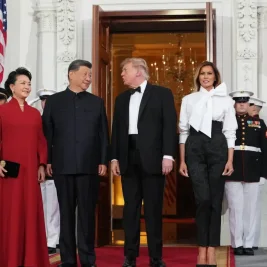
Taiwan's representative to the US, Alexander Yui, also commented amid ongoing tensions following Chinese President Xi Jinping's recent state visit to Washington.