Malaysia has started repatriating nearly 1,500 Rohingya refugees to Myanmar under a contentious agreement with Myanmar's military leader Min Aung Hlaing.
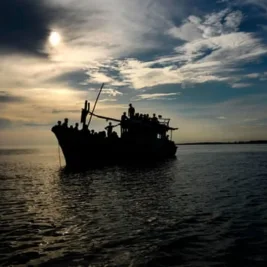
The initial group is part of an estimated 5,000 returnees being transported via two Myanmar naval vessels and a hospital ship.
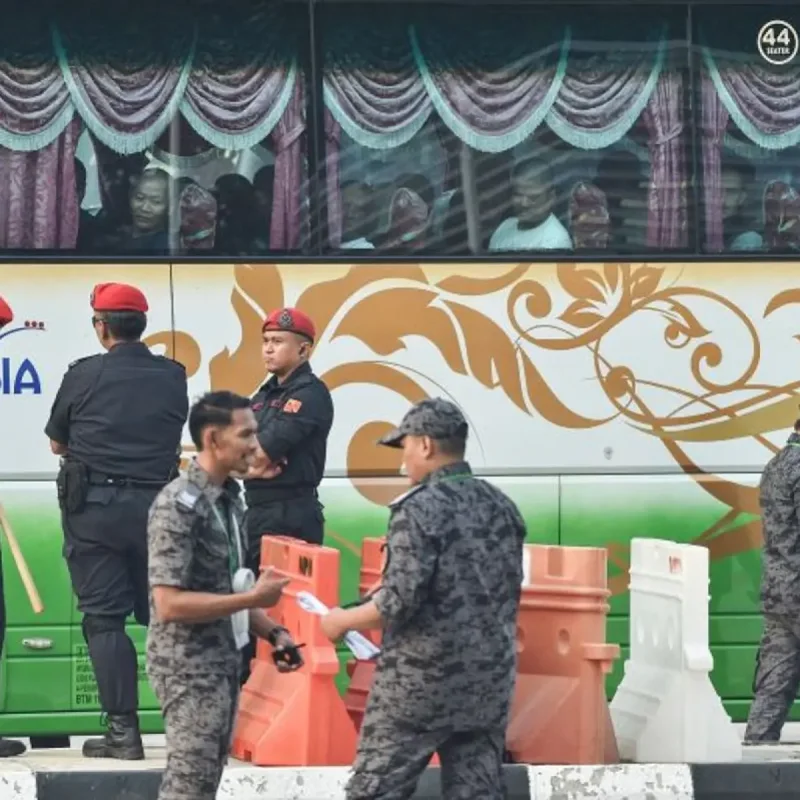
The refugees were moved under police escort to a naval base in Lumut, northwest Malaysia, where they underwent processing before departure.
Human rights organizations and the United Nations have condemned the repatriation, warning that Myanmar remains unsafe due to ongoing conflict and persecution against the Rohingya, a Muslim minority not recognized as citizens by Myanmar's government.
Malaysian Prime Minister Anwar Ibrahim stated the returns are voluntary and cited increasing public hostility and economic challenges as reasons for the government's decision.
"We can arrest them, but do not beat, intimidate or humiliate them," Anwar said in a recent interview, emphasizing humane treatment but also acknowledging the Rohingya have become "a burden" economically and socially.
Despite Anwar's previous reputation as a human rights advocate, critics accuse him of abandoning principles.
Latheefa Koya, former head of the Malaysian Anti Corruption Commission, called the decision "disgraceful, amoral, and shames the nation in the eyes of the international community."
Malaysia's Home Ministry declined to comment on UN warnings that safe returns are impossible under current conditions, maintaining the position that repatriation is voluntary.
Rohingya representatives and advocates strongly oppose the returns, citing ongoing violence in Myanmar, especially in Rakhine State where much of the Rohingya population originated.
"The genocide has never stopped.
Sending Rohingya back to this is not repatriation," said Nay San Lwin, cochair of the Arakan Rohingya National Council.
He warned that many Rohingya are caught in the crossfire between Myanmar's military and insurgent groups.
Ro Mayyu Islam, Chair of the Center of Rohingya Crisis Studies, added the situation in Myanmar remains unsafe, stating, "Moving Rohingya from Malaysian detention centres to Myanmar does not solve the Rohingya crisis."
Medical charity Doctors Without Borders urged Malaysia to halt the repatriation and demanded transparency about who is being sent back and their risks.
Over 160 civil society groups called for the suspension of returns due to the danger of forced conscription and violence in Myanmar.
Malaysia does not formally recognize refugee status and is not a signatory to the 1951 Refugee Convention, complicating protections for the Rohingya, who number over 126,000 in Malaysia as of February 2026.
Those already returned face discrimination, lack of citizenship, and displacement.
A young returnee in Yangon described ongoing hardships, while activists fear many returnees may be confined to camps amid fighting and disease in Rakhine.