Crude oil flows through the Strait of Hormuz are recovering under U. S.
military protection, but Iranian attacks on commercial shipping are keeping maritime risks elevated.
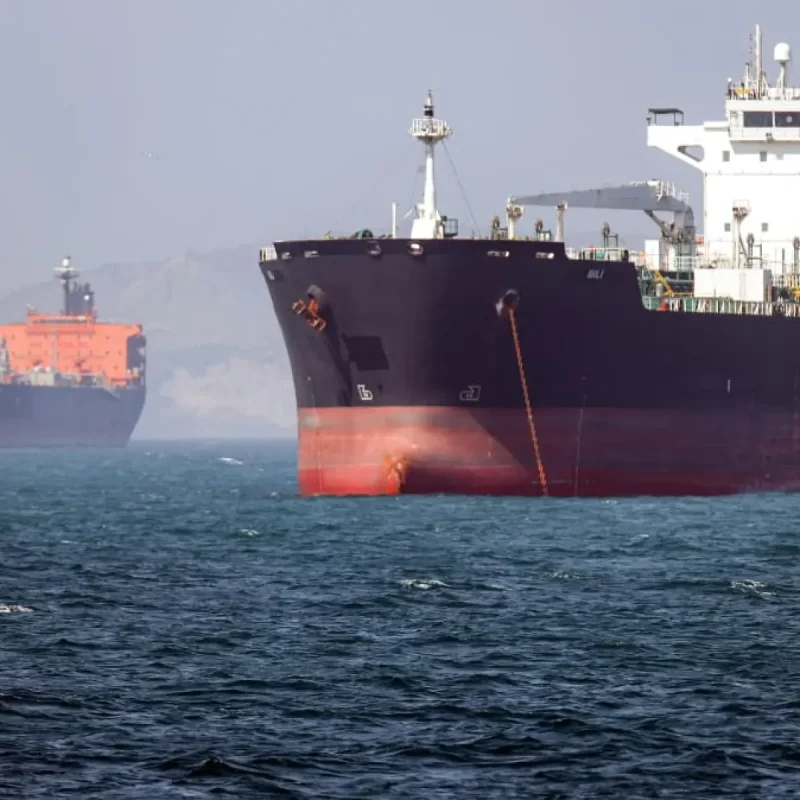
Nearly 20 merchant vessels, mostly oil tankers, were attacked over the past month while navigating the strait, the Persian Gulf, or off Oman's coast, according to the Joint Maritime Information Center.
Iranian forces targeted roughly two out of every 100 ships crossing the narrow waterway in the third quarter, said Windward analyst Michelle Wiese Bockmann.
Volumes are getting through but they're getting through at a time of extremely high maritime risk, she said.
Shipping costs from the Persian Gulf to China have climbed to as much as $1 million daily per tanker due to the security threats.
The human toll has also mounted, with the International Maritime Organization reporting at least nine fatalities, 18 injuries, and three missing crew members since July.
To reduce danger, operators use a shuttle system, moving crude through the strait before transferring cargo to secondary vessels in the Gulf of Oman bound for Asia.
This maneuver limits exposure but requires additional ships and raises freight charges.
Nobody in Washington thinks this is sustainable financially, said Bob McNally, president of Rapidan Energy and a former energy advisor to President George W.
Bush.
McNally said the arrangement relies heavily on a high-cost U. S.
naval effort protecting ships along Oman's coast to maintain export flows.
It's an inefficient way to move commodities, not just oil, out of Hormuz, he said.
Kpler data shows weekly shipments averaged roughly 10.3 million barrels daily for the week ended Saturday, about 23% below the prewar baseline of 13.5 million barrels per day.
Windward estimates average volumes at 9 to 10 million barrels per day compared to a 14.5 million baseline.
If the market believed that this was sustainable, I think you would be seeing much lower prices, McNally said.
International benchmark Brent crude continues trading near $100 per barrel due to substantial delivery, landing, and insurance expenses, alongside persistent jurisdictional tensions.
On Monday, Iran's Revolutionary Guard intercepted a transit vessel and forced it to turn back under threat of attack, according to the United Kingdom Maritime Trade Operations Centre.
Oil flows have recovered because market participants have accepted greater operational complexity and higher costs, said Richard Meade, editor in chief of Lloyd's List.
Industry experts emphasize that despite higher transport volumes, free navigation across the strategic maritime corridor remains severely compromised.
The oil market is not becoming more secure, Meade said. It is becoming more efficient at operating under sustained insecurity.