Chinese automaker Zeekr is taking a different approach as it challenges Europe's established luxury brands: instead of leaning on brand heritage, it is emphasizing value.
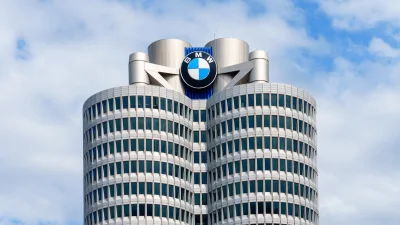
The Geely-owned company, which operates independently, is targeting customers who might otherwise choose BMW, Mercedes-Benz, Audi, Range Rover, or Lexus.
In an interview with CarScoops at the Paris Motor Show, Zeekr's European CEO Lothar Schupet explained that the brand's pitch centers on what buyers get for their money.
A Value Proposition, Not a Discount Strategy
Schupet said that rather than paying for heritage, Zeekr customers receive more content, features, performance, technology, and craftsmanship.
He acknowledged that heritage matters but argued it no longer guarantees loyalty, noting that customers are making up their own minds.
According to Schupet, this approach has worked strongly in Zeekr's favor during its three years in Europe.
The brand now operates in 22 European countries and plans to have a dealer network of 200 locations by the end of this year.
Zeekr's local sales are up 200% year-on-year, and the arrival of the Zeekr 9X—known in China as the 'Hangzhou Bay Cullinan'—is expected to further boost demand.
Schupet added that premium means something different in 2026 than it did a few years ago, with shifted customer expectations opening the door for new brands.
He described Zeekr as a high-end challenger with a European soul, backed by the scale and technology of Geely Auto Group.
The company's cars are designed in Gothenburg and tuned for European roads, he noted.
Tackling Residual Values and Building Trust
Beyond value, Zeekr is also addressing concerns about depreciation, which has affected Chinese electric vehicles and EVs more broadly.
Schupet said residuals are shaped over time by fundamentals, and that is where the brand's focus lies.
He explained that Zeekr builds cars to a high standard of quality and safety, and that vehicles improve over their life through technology and over-the-air updates.
The company also avoids offering stripped-back, low-specification versions that could dilute the used-car market, which helps protect values.
Zeekr backs this with five-year warranties and an expanding service network, alongside significant investment in its European presence.
Schupet emphasized that Zeekr is investing in Europe for the long term, with design and R&D in Gothenburg and a growing team across markets.
He said the brand is not there for a quick entry, and that after three years it is one of the strongest-performing new brands in Europe.
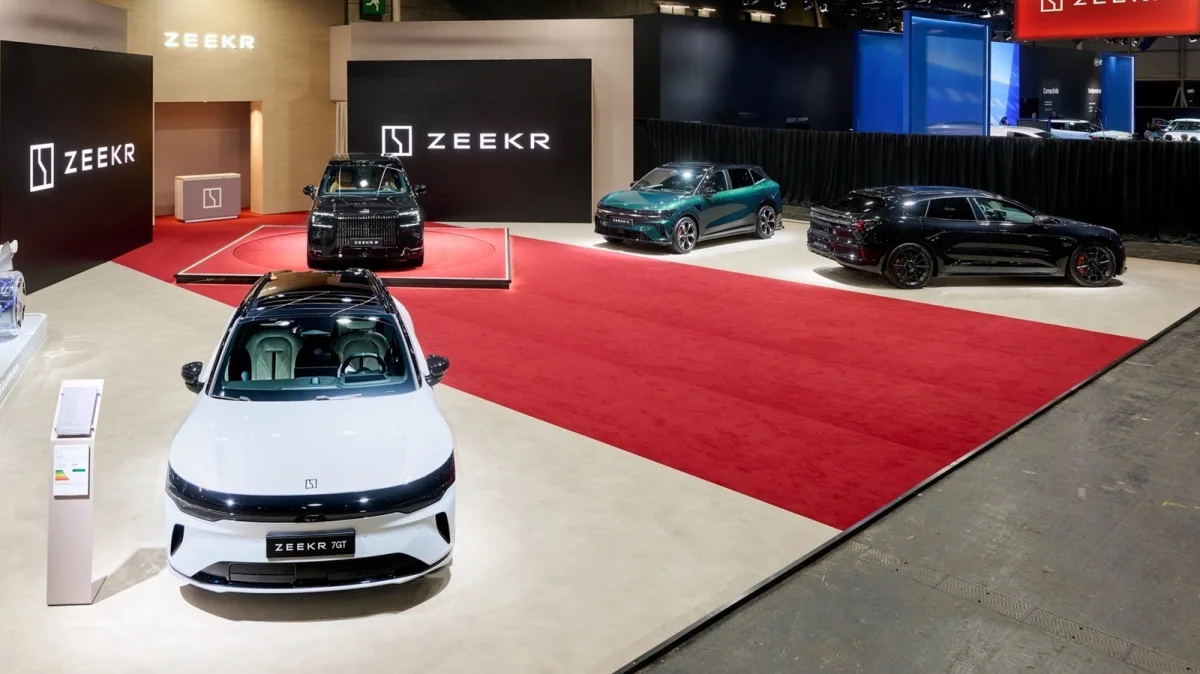
At the Paris Motor Show, Zeekr strengthened its European line-up by launching the facelifted 7X and the flagship 9X.
These two models will be crucial if the brand aims to rival European competitors.
The European car market remains extremely competitive, and buyers have historically favored homegrown brands.
In the first half of this year, the VW Group alone sold 1.8 million vehicles in Europe, while Stellantis sold 1.09 million.
Renault sold 683,137 vehicles through its Renault, Dacia, and Alpine brands, and BMW and Mini combined sold 510,639 vehicles.
Toyota, the leading non-European brand, sold 479,382 vehicles.
Still, Chinese brands are making headway: Geely Group sold 225,350 vehicles in Europe during the first six months of this year, beating Ford, Tesla, Nissan, and Mazda.
That performance suggests there is considerable appetite for new entrants, even as Zeekr works to convince buyers that value can outweigh heritage.