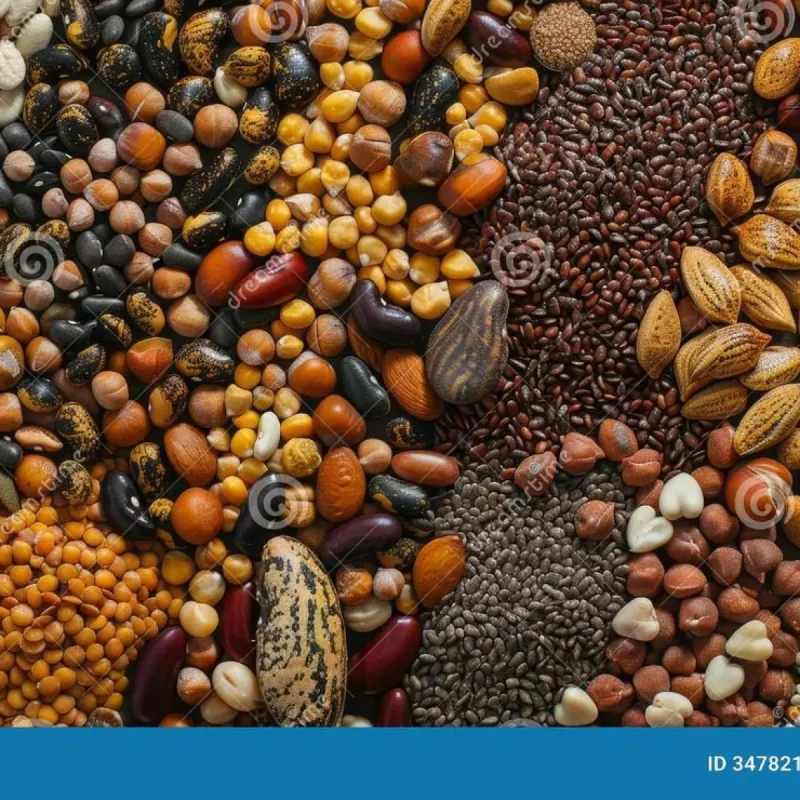
A growing supplements market may be capitalizing on claims about gut health, but scientists still do not know what a truly healthy gut microbiome looks like.
The concept of eating 30 different plants per week stems from a 2018 study involving over 10,000 participants in the US, UK, and Australia.
Researchers found that those who ate more than 30 plant foods weekly had a more diverse gut microbiome than those who ate fewer than 10.
However, experts warn this does not make 30 a magical health threshold. The difference between eating 25 or 30 plants a week is likely less significant than marketed.
Arbitrary Number
"Thirty is pretty arbitrary," says Prof Daniel M Davis, head of life sciences at Imperial College London and author of Immune Health: A Myth-Busting Guide.
"It's not as though researchers compared 10 plants, 20 plants, 30 plants and 35 plants and found a clear cut-off point."
The underlying study also fails to prove that eating 30 plants a week directly improves overall human health.
While a highly diverse microbiome is linked to a lower risk of certain diseases, researchers cannot define the exact composition of a healthy microbiome.
"People eating more than 30 plants a week are probably doing a gazillion other things differently as well," says Davis.
Factors such as physical exercise, sleep quality, and stress levels also impact the microbiome, making it difficult to isolate diet's importance.
Consumers should remain cautious of individuals using the 30 plants message to profit through expensive supplements that promise to help achieve the target despite minimal independent evidence.