Perhaps the most surprising revelation concerns China.
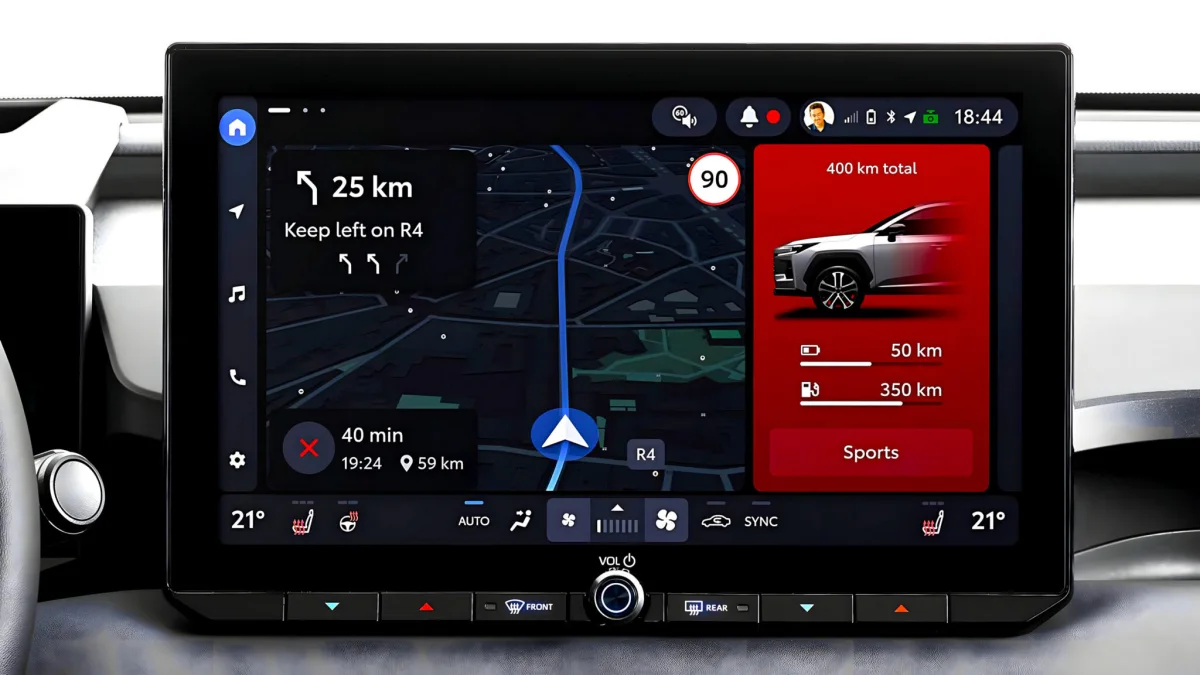
Conventional wisdom suggests Chinese buyers are among the strongest supporters of large touchscreen interfaces, helping inspire many of the screen-heavy interiors now appearing around the world.
According to Futonagane, however, customer preferences are shifting.
“They didn't want it,” he said of Chinese drivers' reactions to Toyotas with screen-focused functionality.
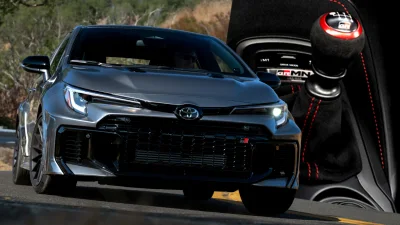
“They wanted knobs and switches,” he told Drive, adding that Toyota has already been moving back toward physical controls in some other vehicles.
While climate functions were thrown onto the screen of the latest RAV4, drive mode controls remain prominently displayed as physical buttons.
Futonagane explained that Toyota wants owners to engage with different driving settings and enjoy the SUV experience.
Yet later in the discussion, he acknowledged he sometimes wonders whether customers use those modes very often at all.
The debate over screens versus buttons isn't going away anytime soon.
Some automakers continue to insist infotainment touchscreens are the safer solution, while others, like VW, are quietly bringing back physical controls.
Toyota's willingness to reconsider suggests the industry may not have reached a final answer just yet.