Hassan raised a Palestinian flag after their last-32 win, saying anyone lacking empathy for Palestinians had lost their humanity.
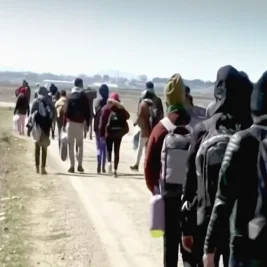
The Egyptian Committee for the Reconstruction of Gaza organized watch parties for displaced families. Its director was killed in an Israeli strike hours before Egypt played Argentina.
For a few weeks, Egypt's run carried the hopes of oppressed people.
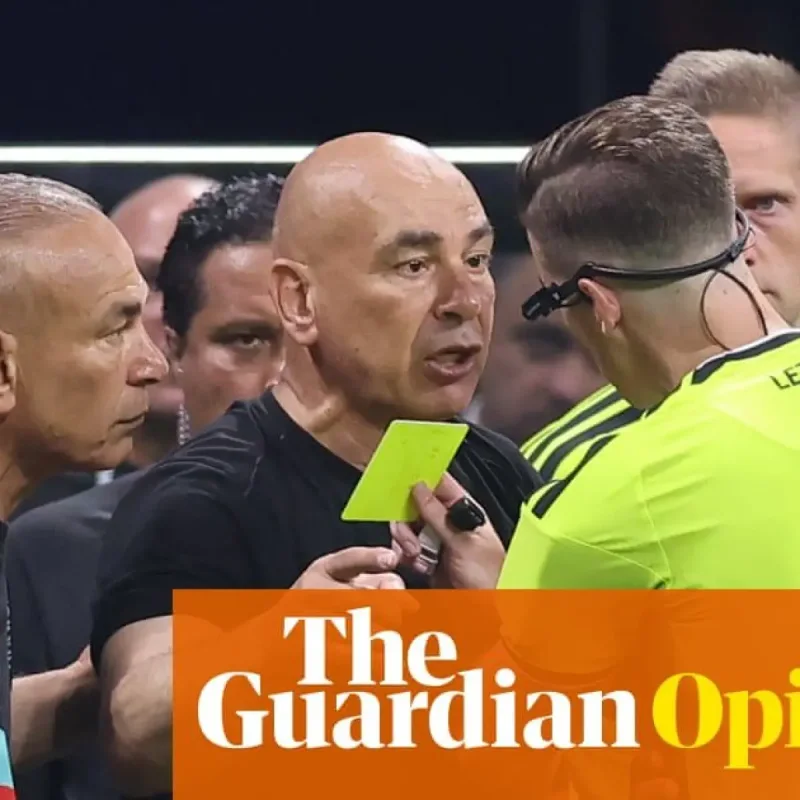
When Egypt squandered their lead against Argentina amid controversial decisions, the pain ran deeper than the result.
For those accustomed to injustice, it felt like another reminder that the rules are not the same for everyone.
The Egyptian Football Association released a statement saying it "cannot remain silent" after refereeing decisions that "left profound questions about consistency and fairness."
Accusations of corruption reached a crescendo, with hackers sending emails from the Argentinian federation admitting to "corrupt refereeing decisions."
Conspiracy theories spread asserting the fix was in, and Argentina emerged as a villain. The World Cup does not exist in a vacuum.
Football is a reflection of society, for better or worse. The conspiracy theories are symptoms of broader forces: social media, economic insecurity, and political division.
Look no further than the QAnon movement, anti-vaccine conspiracies, and rising antisemitism and Islamophobia. The World Cup amplifies these tensions, showcasing them on the world's biggest stages.
In doing so, football becomes a mirror of the world that watches it.