Television fantasy series have evolved to use intricate combat sequences as narrative tools rather than relying solely on visual effects, according to an analysis by CBR writer Ajay Aravind.
These battles often mark turning points in character arcs and plotlines.
Key Examples of Narrative-Driven Battles
In the animated series Arcane, the Battle of Piltover blends hextech technology with personal sacrifices to resolve multiple political and emotional conflicts.
Live-action adaptations also use conflict to reshape overarching stories.
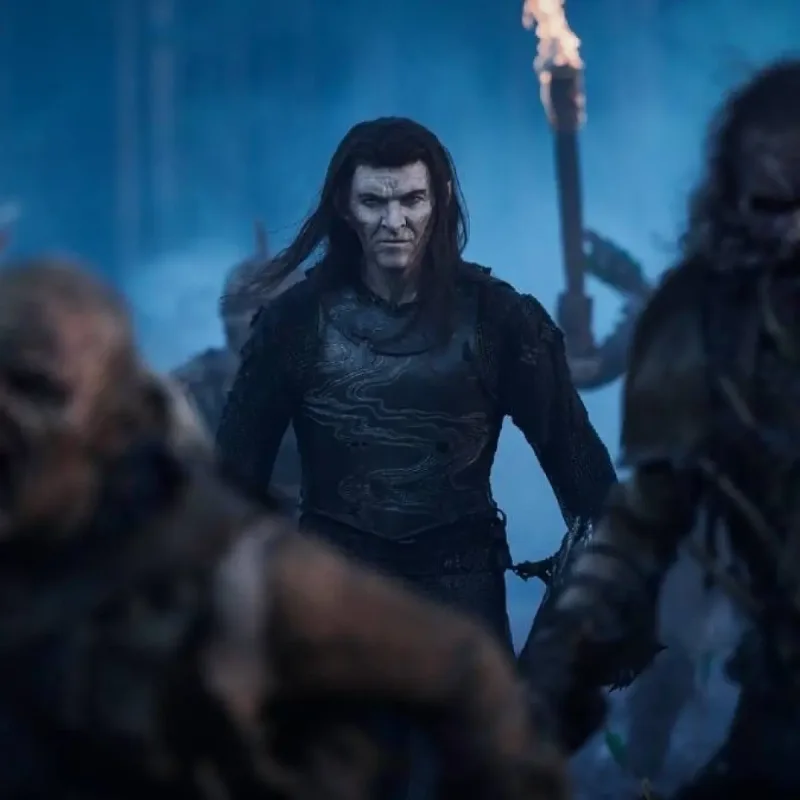
The Battle of Eregion in Prime Video's The Lord of the Rings: The Rings of Power highlights Sauron's psychological manipulation alongside physical violence, securing key victories for the antagonist.
Other series employ distinct narrative strategies. Netflix's The Witcher uses the Battle of Sodden Hill to showcase ideological divides through magical combat.
HBO's House of the Dragon frames dragon warfare at Rook's Rest as a tactical trap with lasting political consequences for Season 3.
Smaller-scale encounters also shape character progression.
Shows like Buffy the Vampire Slayer and The Dark Crystal: Age of Resistance emphasize emotional stakes through improvised group tactics or puppet-led uprisings against powerful foes.
Modern fantasy television thus uses massive battle sequences to drive character development and deepen narrative themes beyond visual spectacle.