The United States' emergency oil stockpile has dropped to its lowest point in over four decades.
The Strategic Petroleum Reserve now holds 298.7 million barrels, a level not seen since January 1983.
According to CNBC, the reserve fell by 6.1 million barrels in the past week.
Before the war with Iran, the US had approximately 415 million barrels in reserve.
The number is expected to decline further to around 243 million barrels once the previously announced release is completed.
This drawdown aims to ease the oil shock caused by the ongoing conflict.
Impact of the Iran War
The United States and Israel launched a surprise attack on Iran on February 28.
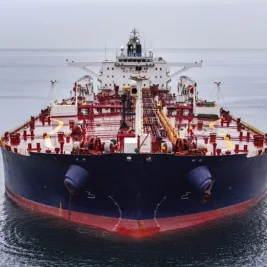
In response, Iran shut down the Strait of Hormuz, a critical waterway for global oil shipments.
Aside from a brief détente, the strait has been effectively closed for months.
This has driven up gasoline prices, with the national average reaching $4.01 per gallon—87 cents more than a year ago.
In California, drivers are paying around $5.59 per gallon.
To help ease the shock, 32 members of the International Energy Agency announced plans in March to release 400 million barrels from their emergency reserves.
By July, about 290 million barrels had been released, but the war continues.
The Strategic Petroleum Reserve reportedly needs around 70 million barrels to operate safely.
However, a former Obama administration official expressed confidence, saying he wasn't “worried about the stability of the reserve or our ability to do another drawdown, if we needed to.”
The reserve has a capacity of 714 million barrels, so it is currently only 42% full. The war shows no signs of ending soon.
Iran's Secretary of the Supreme National Security Council recently set conditions for reopening the Strait of Hormuz.
These include the US never threatening Iran, ending the war and aggression against regional allies, lifting the naval blockade, withdrawing forces, paying reparations, removing sanctions, and releasing frozen assets.
It seems unlikely the Trump administration will agree to these demands, suggesting the stalemate may continue and possibly necessitate further releases from the Strategic Petroleum Reserve.