Two US cities are testing a traffic signal strategy that rewards drivers who obey speed limits with green lights, while speeding drivers face red lights.
Albuquerque, New Mexico, and Portland, Oregon, have implemented variations of the 'rest in red' system, which defaults to red when no one is approaching.
Sensors detect approaching vehicles and their speed, granting an earlier green to those driving at or below the limit.
Portland's Pilot Cuts Speeds
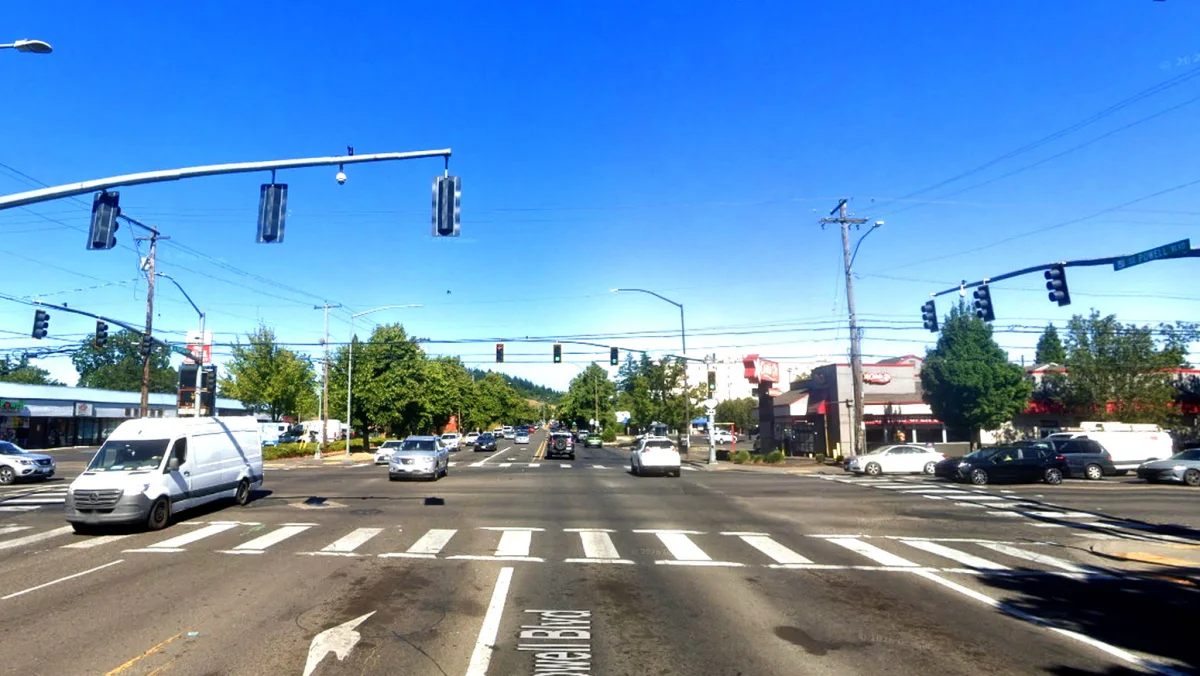
Portland runs the system on Southeast Powell Boulevard, a high-crash corridor, mostly between 10 p. m.
and 6 a. m.
or 7 a. m.
City officials reported that average speeds at the first intersection tested dropped from 39 mph (63 km/h) to the posted 30 mph (48 km/h).
The city has since expanded 'rest in red' to intersections at 21st, 26th, 28th, and 33rd avenues.
Albuquerque's Approach
Albuquerque installed the technology along Lead and Coal avenues after residents complained about crashes, property damage, and speeding.
The city combines 'rest in red' with automated speed enforcement and signals coordinated around 30 mph (48 km/h).
Officials say the combination has contributed to calmer traffic and improved safety, though isolating the effect of 'rest in red' alone is difficult.
A Carrot Instead of a Ticket
Unlike traditional speed cameras, this system does not issue tickets but makes driving properly less annoying.
If sticking to the limit means catching greens while speeders get stuck at red lights, safe driving can feel like winning.