A new study reveals a significant gap between police reports and actual phone use before car crashes.
The Insurance Institute for Highway Safety (IIHS) compared police reports with anonymized data from safe-driving apps.
Researchers analyzed nearly 17,000 crashes across four states from 2021 to 2024.
Police reports identified cellphone use in less than 1 percent of these crashes.
However, telematics data showed phone activity within 30 seconds of impact in 7 percent of single-vehicle crashes and 8 percent of two-vehicle crashes.
That means phone use was at least seven times more frequent than what police recorded.
What the Data Shows
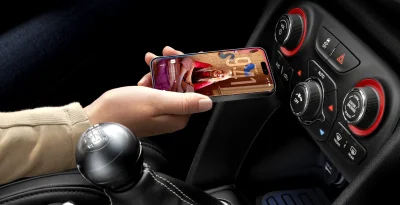
The study, powered by Cambridge Mobile Telematics (CMT), distinguished between handheld calls, hands-free calls, and physical manipulation like tapping or swiping.
It also detected whether the phone's screen was unlocked, which could indicate anything from using navigation to watching videos.
Researchers could not determine whether phone use actually caused any particular crash.
Still, the findings highlight how much information safe-driving apps can collect.
Privacy vs. Safety
Drivers voluntarily enrolled in programs using CMT technology, and IIHS analyzed anonymized data.
CMT says it does not sell driving data, but in insurance programs, the insurer is generally the controller of that data.
Its privacy policy allows disclosure of personal information when required by law or legal process.
This does not mean police can simply request your driving history without proper legal authority.
But the study inadvertently shows that telematics could give researchers a far better picture of distracted driving.
It also creates an extraordinarily detailed record of what drivers were doing before a crash.
Whether the insurance discount is worth creating that record is something drivers might want to consider before tapping 'Agree.'