All 48 teams competing in the 2026 World Cup face a common adversary: summer weather patterns that bring distinct challenges across North American venues.
Matches are scheduled across 16 host cities, from southern Mexico to Canada, exposing players and fans to various regional weather hazards.
Severe thunderstorms have already disrupted preparation schedules before the official tournament kickoff.
A warm-up match between England and Costa Rica in Orlando faced an hour-long delay because torrential rain and lightning left the pitch waterlogged.
Thunderstorm and Lightning Risks
Safety protocols at United States stadiums dictate an immediate suspension of play whenever lightning strikes within approximately eight miles of the venue.
Matches cannot resume until 30 minutes have passed since the final recorded lightning strike.
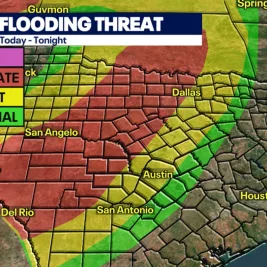
The highest probability of thunderstorm disruptions remains concentrated across the central, eastern, and south-eastern regions of the United States.
Miami and Houston rank as the most lightning-prone host cities, though Houston benefits from a retractable roof facility.
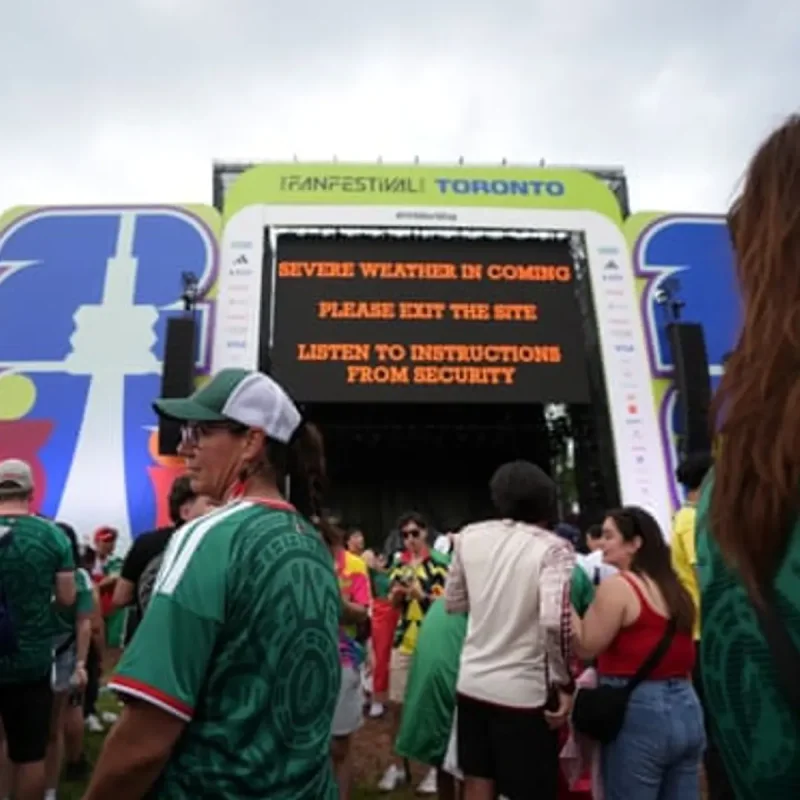
Scattered storms generating powerful wind gusts and isolated large hail threaten the north-eastern United States and south-eastern Canada.
These conditions put the Friday match between Canada and Bosnia and Herzegovina in Toronto, alongside weekend fixtures in Boston and New York, at risk.
Extreme Heat and Humidity
Extreme heat and soaring humidity represent the most widespread environmental challenges for both competitors and spectators.
Monterrey, Mexico, frequently experiences high ambient temperatures, while intense humidity in the south-eastern United States accelerates physical heat strain.
FIFA evaluates these risks using the Wet Bulb Globe Temperature (WBGT), which factors in temperature, humidity, wind speed, and solar radiation.
Exercise physiologists warn that high-exertion sports become unsafe at 28°C WBGT, while FIFA uses a 32°C threshold before taking official intervention steps.
A 2025 study revealed that 14 of the 16 host venues will surpass the 28°C safety threshold periodically during the tournament.
Several stadiums feature climate-control air conditioning and protective roofs to help neutralize the intense summer heat.
Tropical Storms and Altitude Concerns
Tropical storms also pose a measurable risk because the tournament schedule overlaps with the early segment of the Atlantic hurricane season.
Initial tropical developments typically emerge over the warm waters of the Gulf of Mexico, the Bay of Campeche, and the western Caribbean.
Consequently, venues located in Mexico, alongside Houston and Miami, face the highest exposure to tropical storm systems.
The National Hurricane Center continues to track a low-pressure system over the Bay of Campeche, noting a slight chance of tropical cyclone formation.
Mexico City introduces unique physical demands due to an elevation of approximately 2,240 metres above sea level.
The thin mountain air reduces oxygen availability, which accelerates player exhaustion and extends required recovery times during matches.
Furthermore, lower atmospheric resistance alters the traditional flight path and speed of the match ball.
Conversely, Canadian venues expect comparatively cool conditions alongside the lowest overall risk of severe storm interruptions.
This unequal distribution of challenging environmental conditions has triggered debate surrounding competitive fairness across the tournament layout.