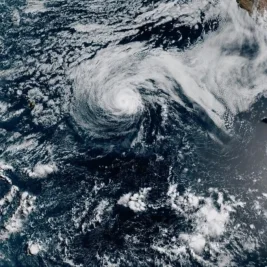
Global ocean surface temperatures have reached an unprecedented peak, sparking severe concerns about imminent extreme heat waves and climate disruption.
Data from the Copernicus Climate Change Service revealed that sea temperatures outside polar zones exceeded the exceptional highs recorded during the same period in 2023 and 2024 on June 21.
The agency warned that this fresh thermal peak could trigger severe consequences for weather patterns, global climate systems, and marine ecosystems.
This surge coincides with the opening phases of an El Niño event, which meteorologists project could become the strongest observed in several decades.
When marine temperatures hit record levels in June 2023, researchers characterized the trends as deeply worrying and highly unusual because they vastly exceeded historical models.
That previous warming phase ultimately led to a destructive cycle of worldwide heatwaves, intense flooding, and severe storms.
The historical baseline established in 2023 has now been overtaken, prompting another alarming rise in planetary temperatures.
During the previous month, numerous European nations endured intense heatwaves, while Antarctica recorded unusually mild winter conditions.
While public attention frequently centers on land surface temperatures, ocean conditions offer a more comprehensive representation of global climate instability driven by human activities.
Marine surface warmth remains heavily influenced by solar radiation, deep-water heat retention, and shifting oceanic currents.
The world's oceans absorb over 90% of the surplus energy trapped within the Earth system, a phenomenon primarily fueled by utilizing coal, oil, and gas.
This energy imbalance surged to a record 23 zettajoules last year, representing more than double the historic average documented over the preceding two decades.
Consequently, oceanic warming continues to experience rapid acceleration.
In 2020, the thermal energy entering marine environments equaled roughly five Hiroshima bomb explosions every second, a metric that climbed toward 11 explosions per second last year.
UN Secretary-General António Guterres previously expressed deep concern regarding these trends. "Earth is being pushed beyond its limits," Guterres warned.
Scientists noted that determining whether this marine heating trend will stabilize or escalate remains difficult, given that annual peaks usually occur in July and August.
However, Carlo Buontempo, the director of the Copernicus Climate Change Service at the European Centre for Medium-Range Weather Forecasts, indicated this could signal a transition into highly unpredictable environmental territory.
"With ocean temperatures at these levels and El Niño on the horizon, we are likely to see more temperature records fall in the coming months," Buontempo stated.