A coordinated Russian surveillance campaign used drones launched from shadow fleet vessels over an 18-month period starting in late 2024 to target critical nuclear and military sites across the United Kingdom, France, Belgium, and the Netherlands.
An analysis of 144 incidents by the International Institute of Strategic Studies (IISS) revealed that Russian intelligence operated with substantial impunity, exposing significant strategic gaps in Western European air defenses.
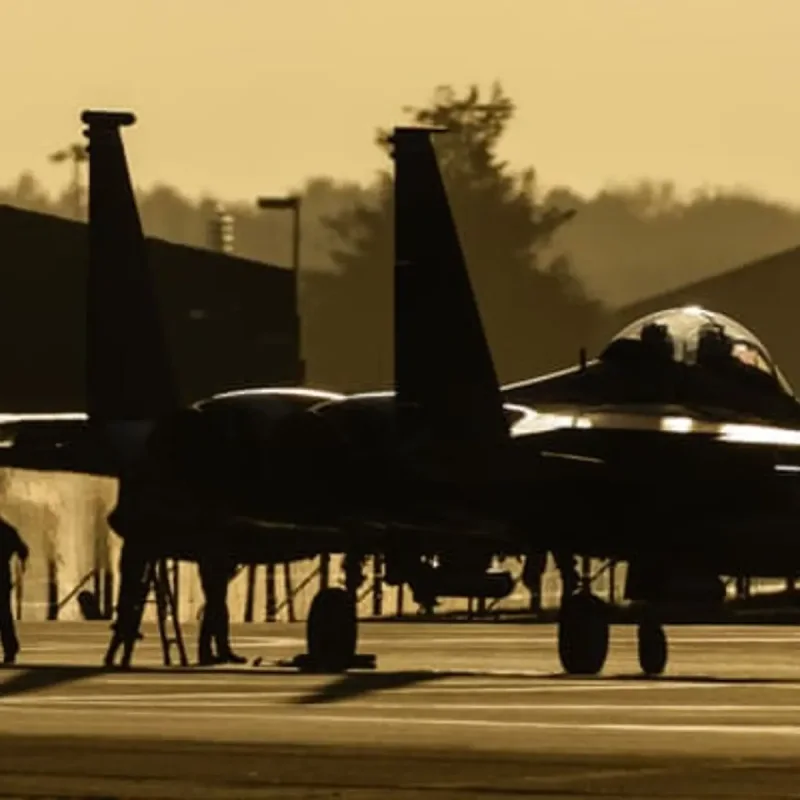
Unarmed drones repeatedly flew over high-security facilities, including the RAF Lakenheath base in the UK and France's Île Longue nuclear submarine base in Brittany, without being intercepted.
European governments remained hesitant to publicly accuse Moscow, though officials quietly welcomed the publication of the findings.
The tracking data indicated that the drones were likely operated from "dark sailing" commercial vessels, such as the tanker Seasons 1 and the cargo ship Hav Dolphin, which traveled through the North Sea with deactivated transponders.
Additional incursions occurred in late 2025 over the Kleine-Brogel airbase in Belgium and Volkel in the Netherlands, coinciding with the presence of Russia-linked vessels in nearby international waters.
Security researchers highlighted that drone operations peaked in September and November of last year, with Germany experiencing the highest volume of sightings before European navies began seizing suspected shadow fleet tankers in 2026.
One such seizure by French commandos involved the tanker Boracay near Denmark, which uncovered a Chinese captain and two Russian nationals employed by a private military company operating onboard.
"It is our assessment that it is highly likely that the Kremlin conducted a coordinated UAV campaign over Europe," said Charlie Edwards, a senior IISS fellow.
The intelligence operations targeted more than a dozen NATO countries alongside Ireland to map military logistics and conduct psychological warfare.
It represented "a series of tactical successes for the Kremlin" and "a strategic failure of allied defences" which were designed for conventional military threats rather than low-cost, low-flying drones, Edwards said.
The defense thinktank noted that Western response options, including deploying anti-drone lasers or utilizing police helicopters, were either abandoned over safety concerns or failed to progress.
"The identification of two Russian private military contractors confirmed the militarisation of shadow fleet tankers, not as hypothesis but as operational practice," the IISS report said.
The report concluded that Russia's main foreign military intelligence agency, the GRU, likely orchestrated the entire aerial surveillance campaign across the European continent.