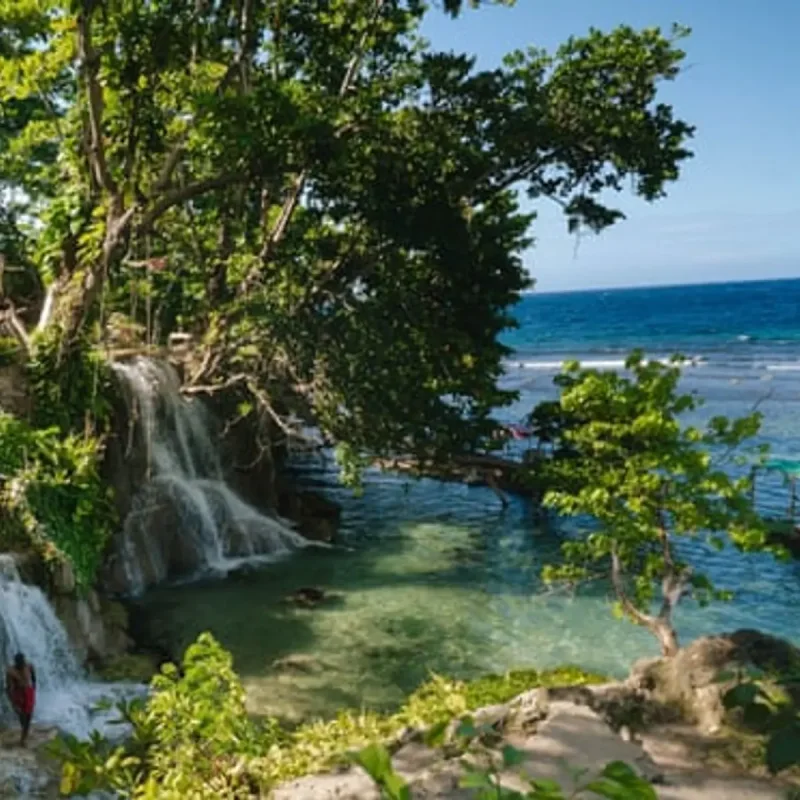
Every year, millions of tourists flock to Jamaica's beaches, fueling a multibillion-dollar tourism industry.
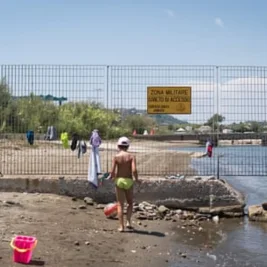
But behind the picture-perfect coastlines, a battle is brewing over who gets to enjoy them.
Activists accuse successive governments of privatizing the shoreline to support all-inclusive hotels, at the expense of local communities.
Protests, clashes with police, and court cases have become common.
The Dispute
On one side are community members, fishers, and vendors who depend on the sea. They say restricted access is discriminatory and violates their constitutional rights.
They argue that the 1956 Beach Control Act, a colonial-era law, gave the state ownership of the foreshore and seabed, and current licensing allows private companies exclusive control.
In 2018, Prime Minister Andrew Holness proposed a new beach access policy, but campaigners say it only offers qualified rights with conditions.
On the other side, the government argues that tourism revenue benefits everyone.
Environment Minister Matthew Samuda says the sector employs over 110,000 Jamaicans and supports hundreds of thousands more.
He notes that new developments on public land must include corridors to the sea, but activists say this is discretionary and doesn't address existing private beaches.
Legal Battle
At the center is the Jamaica Beach Birthright Environmental Movement (Jabbem), founded in 2020 by Devon Taylor after protests over the privatization of Mammee Bay.
Jabbem's case relies on the 1882 Prescription Act, which protects rights to pathways used continuously for at least 20 years.
They argue this includes beaches.
For many, beaches are culturally significant—places to swim, relax, and for Rastafarians, meditate. The Blue Lagoon in Portland is considered medicinal for the elderly.
Fishers rely on the sea for livelihood and food.
“When you cut us off from the sea … you are actually setting us up to starve,” Taylor says.
Professor Carolyn Cooper calls the restrictions “outrageous,” noting that Black Jamaicans are entitled to leisure.
Campaigners say they are not anti-tourism, pointing to St. Lucia, where all beaches are accessible and tourism thrives.
They worry that current laws benefit only the wealthy, with hotel profits leaving the country.
Despite legal delays and costs, Taylor remains confident: “Our evidence is overwhelming, and nothing can defeat this case for prescriptive rights.
We continue on. We are very patient.
And we'll see the victory.”