Tottenham Hotspur are embarking on an unprecedented spending spree this summer, with transfer outlays expected to reach £230m.
The funds are partly sourced from cash injections by the Lewis family, including proceeds from a recent Sotheby's art auction that raised nearly £300m.
The sale included works by Modigliani and Magritte, prompting speculation about the connection between the art market and football transfers.
The club's strategy marks a sharp departure from the frugal Daniel Levy era.
Tottenham have historically kept wages low—only 45% of revenue went to wages in 2024-25, the lowest in the Premier League.
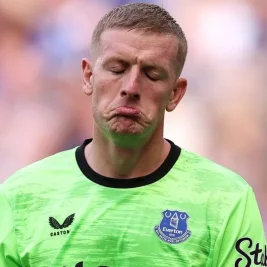
Now, they are splashing out on high-profile signings like Mateus Fernandes (£85m), Sandro Tonali (potential £100m), Jan Paul van Hecke (£52m), and older players Marcos Senesi and Andrew Robertson on large salaries.
Deliberate Overspending or Risky Gamble?
The fees have raised eyebrows, but the overspending appears intentional. Van Hecke, while a good defender, is not worth the 12th-highest fee for a centre-half.
Fernandes' price was inflated by a bidding war with Manchester United. Tonali, at 26, has limited resale value.
Senesi and Robertson, aged 29 and 32, push the club's wage ceiling. This suggests a strategy to build a team for now, not a squad for the future.
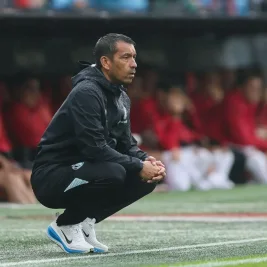
Manager Roberto De Zerbi has significant influence over recruitment, alongside sporting director Johan Lange and CEO Vinai Venkatesham.
A move for Sebastian Kehl reportedly fell through when he was alarmed by De Zerbi's level of control.
The manager's volatile nature raises questions about the wisdom of entrusting him with such a consequential window.
What Is Tottenham's Identity?
The spending spree highlights a deeper issue: Tottenham have never settled on a clear identity.
Under Levy, they oscillated between frugality with young players, big-name managers, and underdog football.
Now, they are acting like a luxury brand, but without addressing key gaps like a replacement for Harry Kane or Son Heung-min.
The departures of promising youngsters Luka Vuskovic and Lucas Bergvall further undermine long-term planning.
In the new squad-cost-ratio era, this summer's spending will limit future windows. Yet as long as Tottenham avoid relegation, they can continue this cycle.
De Zerbi is a great coach but volatile and replaceable. The club's aim seems to be entertainment and the illusion of progress, rather than sustained success.
For a club that is the ninth-richest in the world, the question remains: what is the point of Spurs?