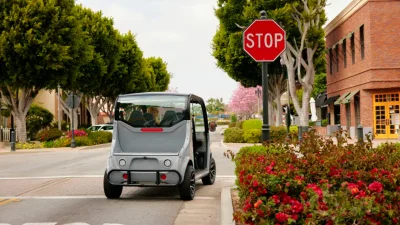

High repair costs and complex component integration are driving up electric vehicle (EV) insurance premiums by 10 to 25 percent compared to traditional gasoline models, according to recent automotive data.
Research from Thatcham Research reveals that fixing electric cars costs an average of 30 percent more and takes 14 percent longer than servicing petrol or diesel vehicles.
These compounding expenses directly influence the insurance premiums passed on to consumers.
Minor Crash, Major Damage
A low-speed crash test conducted by Thatcham Research at 6 mph on a Dacia Spring electric vehicle demonstrated how minor incidents cause extensive internal damage.
The impact fractured the front-mounted high-voltage charging port alongside its interconnected systems.
Senior test engineer Sean Hoad explained that the vehicle would likely be deemed a total loss due to the interconnected nature of the front-end components.
"This is all one big unit, meaning we can't just replace the front charge port.
We have to replace the charger itself, the inverter, and some of the cabling," said Hoad.
The engineer noted that fixing the combined components would cost approximately £4,000, compounding other necessary repairs.
"It's more than likely this car would be written off," added Hoad.
Automakers increasingly design electric cars with unified assemblies to optimize vehicle weight, but the structural strategy creates complications for the automotive service market.
"There's a real focus on keeping weight down, because electric vehicles are heavy," said Dan Harrowell, principal advanced technologies engineer.
Engineers noted that specialized production methods complicate post-collision maintenance when single elements sustain superficial damage.
"To save some weight, there's a lot of integration of components.
They're glued together, rather than using fixings, which is great to reduce weight, but not great for repair, because you have to replace whole systems rather than individual components," said Harrowell.
Harrowell pointed to an electric model with minor battery casing scratches, noting that replacing the undamaged interior cells requires buying an entire new multi-thousand dollar structure.
"Damage to the battery is much less common, but the sheer value of it means any damage at all, if it involves a replacement, risks writing off the vehicle," said Harrowell.
Industry Calls for Cheaper Repairs
Despite the operational hurdles, industry advocates emphasize the necessity of lowering ownership barriers to ensure sustained market adoption.
"It's absolutely crucial electric vehicles become cheaper to insure," insisted Steve Fowler, co-founder of the car review website Carblah.
Fowler stressed that simplified servicing protocols could accelerate consumer purchasing rates across the automotive sector.
"They are expensive – though not as expensive as some people might think – but by making them easier to repair and cheaper to insure, more people will buy them," said Fowler.
Market analyst Ian Plummer reported that plug-in car demand remains strong, accounting for nearly one in three new United Kingdom car sales in June, "driven by intensifying competition and rising consumer interest in plug-in cars."
Plummer noted that despite high delivery volumes, prospective buyers face ongoing headwinds regarding regional support structures.
"The wider context remains fragile, with ongoing uncertainty around policy, incentives, and wider external pressures," said Plummer.
Service bottlenecks also emerge from systemic delays, component backlogs, and a regional deficit of certified electrical service personnel.
"So the cars have to wait longer in the workshop, which means the insurance company has to give you a loan car for longer, which drives up the cost of repairs, which drives up the cost of insurance and premiums for everybody," said Stuart Masson, editor of The Car Expert.
A separate report from EVWorld.
com noted that the global EV sector is transitioning toward long-term maintenance infrastructure as early models outlive factory battery warranties.
For prospective buyers, Tampa Bay 28 Reporter Susan El Khoury recommends cross-referencing insurance policy estimates before executing an electric car purchase to gauge real lifetime operations pricing.