Israel is threatening to take control of ancient water reservoirs near Bethlehem, escalating the dispute over West Bank territory and historical narratives.
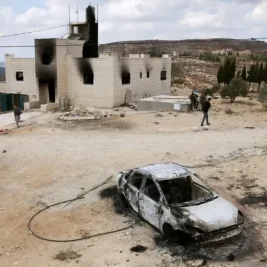
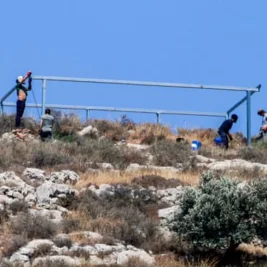
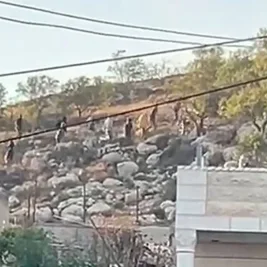
According to The Guardian, Israeli settlers and military forces have increased their presence around Solomon's Pools since Finance Minister Bezalel Smotrich threatened to revoke agreements confirming Palestinian ownership.
The historic site consists of ancient infrastructure, with the initial reservoirs built in the second century BCE and expanded under Roman engineering to transport water to Jerusalem.
An additional basin and defensive fort were constructed during the Ottoman era, while British authorities later modernized the network with mechanical pumps and metal pipes during the Mandate period.
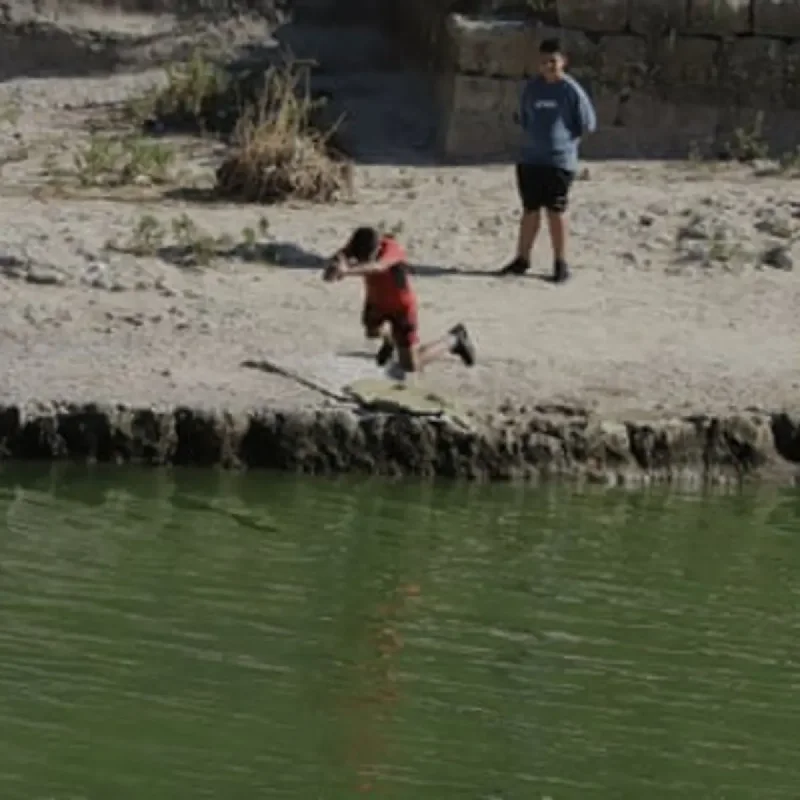
Although the deep stone structures no longer supply water to Jerusalem, the surrounding area has become a vital recreational space and sanctuary for residents of nearby Bethlehem.
Local activist Mahmoud Jaber highlighted its importance, noting it remains the final open green space with water and shade for Bethlehem families.
Tensions surged in May when Israeli politicians forced Palestinians away from the area, prompting Smotrich to publicly declare the site as Israeli land and call for an official takeover.
The three rectangular basins hold a massive capacity of 250,000 cubic metres, making it one of the largest surviving ancient water systems.
Under the 1995 second Oslo Accord, the Solomon's Pools complex was designated as part of Area A, placing it under full Palestinian civil and police jurisdiction.
The division of the West Bank was originally designed as an interim framework toward an eventual Israeli withdrawal, a goal openly rejected by the current governing coalition as they expand settlements.
Area A security boundaries were previously considered secure until a cabinet directive asserted Israeli control over Rachel's Tomb inside Bethlehem earlier this year.
Debate Over Historical Heritage
During his visit to the reservoirs, Smotrich expressed dissatisfaction with the historical framework governing the ancient landmark.
"We are working hard to repair the terrible damage caused by the Oslo Accords disaster," he said.
Alon Arad, an Israeli archaeologist and executive director of Emek Shaveh, expressed concern that the historic asset is being utilized for political leverage against the original accords.
"This site is being weaponised in order to erode and basically cancel the Oslo agreement," he said.
Arad further pointed out that the West Bank contains approximately 6,000 ancient historical locations, with only a small fraction representing a direct connection to Jewish heritage.
Proponents of an Israeli takeover argue that the site is falling into disrepair under current administration, while Palestinian authorities note that funding shortages occurred after tax revenues were withheld.
Historical records indicate that the name Solomon's Pools is technically a misnomer, as King Solomon is estimated to have lived centuries before the actual construction began.
Eman al-Titi, the head of Bethlehem's tourism and antiquities department, clarified that the name historically referenced the Ottoman sultan, Suleiman the Magnificent, who restored the region's water supply.
"Archaeological sites should never become instruments of political conflict," al-Titi said.
The tourism chief emphasized that the dispute involves attempts to reshape regional history by promoting a single narrative that does not reflect the diverse civilisations contributing to Palestine's cultural heritage.