Millions of residents across England face expanded hosepipe bans as severe drought conditions continue, with water companies including Thames Water enforcing restrictions to conserve dwindling supplies.
The bans were extended following similar measures by Welsh Water, Anglian Water, and others, affecting more households nationwide.
The restrictions prohibit non-essential outdoor water use to protect rivers and reservoirs reaching historic lows.
Water Companies Act to Prevent Depletion
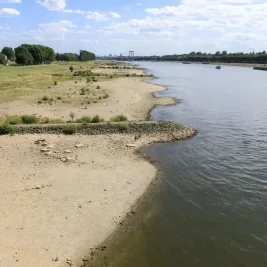
Water managers warn that river and reservoir levels have dropped dramatically, forcing companies to act to prevent further depletion during the heatwave.
Daniel Johns, managing director at Water Resources East, said river levels have reached all-time lows and water companies had no choice but to impose bans as heat drains resources rapidly.
Many residents express frustration, particularly over perceived unfairness of exemptions which apply only to certain disabled and medical-needs households, fueling tensions within communities.
Harry, a 24-year-old from Essex, commented that unless they turn the taps off, he is still going to use it, highlighting resistance among some to comply due to personal concerns for plants during the heat.
Ofwat reports that England and Wales lose nearly 793 million gallons (3 billion liters) of drinking water each day through leaks, a figure that raises questions about the bans' fairness.
Greenpeace UK notes this leakage is about five times greater than what a UK-wide hosepipe ban would save, intensifying calls for infrastructure improvements.
Water UK criticizes the expansion of AI data centers in southern England for insufficiently accounting for their heavy water usage amid scarcity concerns.
Extreme heat poses increased risks to older adults and those with chronic illnesses, compounded by indoor air pollution from gas appliances and chemical use in households.
Vanessa Speight, water systems professor at the University of Sheffield, emphasized the age of the water network, averaging 80 years, stating that if leaks were properly addressed, the need for hosepipe bans would likely be very small.
Gardeners are encouraged to adapt by focusing watering on essential plants and choosing drought-tolerant species, using methods like watering early in the day and collecting grey water.
Tim Parry, a gardener on the Isle of Wight, advised that lawns may look dry, brown and horrible right now, but it will come back, underscoring the need to adjust gardening practices to a hotter, drier climate.
Residents like Harry express deep emotional connections to their plants, saying plants are like your babies, reflecting the personal impact of the water restrictions.
Parry added that plants aren't just something you stick in your garden, expressing concern about the uncertain future under ongoing drought conditions.