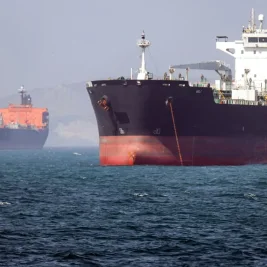
Ukrainian forces launched long-range strikes against an Iranian ship in the Caspian Sea over the weekend, triggering sharp retaliatory warnings from Tehran.
The attack marks a dangerous expansion of the conflict into a new theater, according to officials.
Kiev stated the targeted vessels were transporting Russian components intended for drones and missiles bound for the Islamic Republic.
Iranian officials reported one death and several injuries from the explosion, claiming the ship was purely commercial.
Ukrainian intelligence services said they used drones to strike internationally sanctioned cargo vessels carrying military supplies between Iran and Russia.
Iranian Foreign Minister Abbas Araghchi condemned the strike, warning that Tehran would not leave the fatal assault unpunished.
He raised the issue with European Union and Russian diplomats.
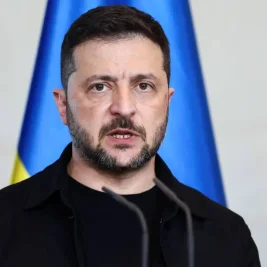
President Volodymyr Zelensky posted that he would instruct Ukrainian intelligence to share with partners information regarding Russia's new assistance to the Iranian regime.
He noted a direct link between Russian satellite surveillance of four air bases in Bahrain, Jordan, and Kuwait with recent Iranian military strikes, arguing that Moscow is feeding target intelligence to Tehran.
Zelensky wrote: "Since the beginning of July, we have recorded active Russian satellite surveillance of the Gulf states and U.
S. military facilities located…"
Iran's Foreign Minister Araghchi posted: "Zelensky attacked an Iranian merchant ship, killing a sailor."
Tehran denied involvement in the war between Russia and Ukraine and summoned Kiev's chargé d'affaires to issue a formal protest.
Iran's Ministry of Foreign Affairs stated: "The attack carried out by the Ukrainian regime against an Iranian merchant ship in the Caspian Sea, explicitly claimed by the head of this regime, bears witness to the persistence of the irrational and hostile attitude of the Ukrainian regime."
The diplomatic fallout comes amidst broader regional tensions.
Iranian military spokesperson Mohammad Akraminia warned that any resumption of U. S.
airstrikes would cause Middle Eastern hostilities to expand geographically.
"The two last nights, the Americans stopped their attacks. As our strategy is essentially based on retaliation, we have also interrupted our operations," he said.
"If the Americans allow themselves to be fooled again by the Zionists or align with them, and insist on continuing the war, particularly through airstrikes, it will expand geographically," he added.
In response to the naval incident, Iran convened separate bilateral talks with Oman regarding security management in the strategic Strait of Hormuz.