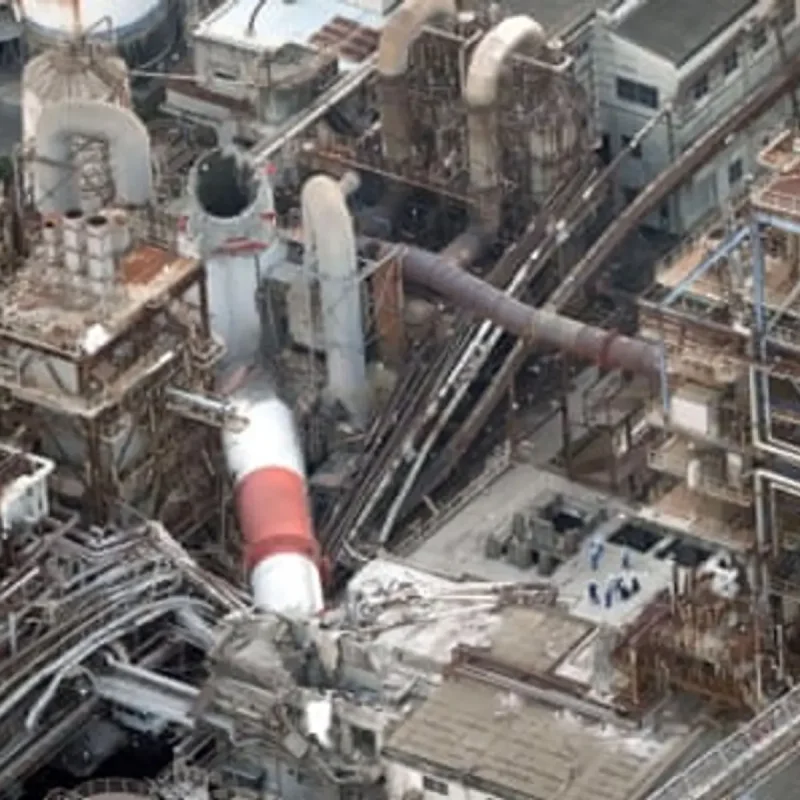
Volunteer firefighters and local residents in La Guaira state are grappling with the psychological and physical aftermath of a double earthquake that struck northern Venezuela on June 24, 2026.
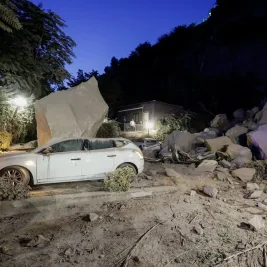
The disaster triggered extended search and rescue operations amid widespread structural destruction in coastal communities like Caraballeda.
Rescuers Describe Harrowing Conditions
Daniela Villarroel, a 28-year-old nutritionist and volunteer firefighter with the Central University of Venezuela (UCV) Volunteer Fire Department, spent 18 days conducting rescue operations across affected areas.
Operating with self-funded equipment, she used her small frame to crawl through collapsed concrete structures to locate victims buried under rubble.
“As soon as they saw you, the survivors would take you by the hand to lead you to the place where their family members were left,” Villarroel said.
“When you looked into the structures, you saw skulls crushed by columns, trapped feet, people crushed in half, and fresh blood without seeing the person who had been crushed.”
During their shifts, the UCV volunteer team traveled 40 kilometers daily from their central station in Caracas to the disaster zone, working long hours under dangerous conditions.
Recurring aftershocks presented constant hazards during narrow crawl space extractions.
“Imagine that you are inside a tunnel, right there inside that little hole, and an aftershock occurs and the first thing you hear is people saying: ‘It’s shaking again.’
Then you see stones or dirt falling,” Villarroel said. “At that moment, the most important thing is psychological support for the survivor.
Telling them to calm down, telling them that we are already helping them. That’s why you have to stay calm, because you are the support.
If you break, they will break even faster.”
Villarroel recalled participating in complex extractions under extreme physical constraints, including the recovery of a 22-year-old survivor named Gabriel who was protected by a pocket of space under collapsed debris.
“Please, don’t throw them away, take good care of them, because that is the only thing I am going to take from them,” Gabriel told her, referring to a watch, a necklace, and a wedding ring taken from his deceased family members.
Continuous exposure to hazardous environments and deceased victims created ongoing distress for rescue personnel. “That smell sticks to your uniform, to your gloves, to whatever you are wearing.
I had to throw away clothes, wash and wash my uniform because I only had one. Afterwards everything smelled the same to me, even the towels,” Villarroel said.
Survivors Struggle with Loss and Displacement
The physical destruction forced hundreds of displaced residents into temporary shelters, including the Los Caracas Vacation City camp.
Survivors from collapsed apartment buildings in Tanaguarena described chaotic evacuations while adjacent structures collapsed around them during the primary tremors at 6:04 p.
m.
“It was really dreadful. You see these things in movies, but living through it is totally different.
It is horrible,” said Leismar Sojo, a manicurist and survivor who escaped from the 12th floor of the OPPE 25 building with her family.
She noted that her relatives continue to search for two missing family members, Aleidy Blanco and Neiderly Alfonso, who were last seen in the Caribe sector on the day of the quake.
“I have never prayed so much in my life,” Sojo said regarding her family’s escape during the collapse of neighboring towers.
She emphasized that the disaster altered her daily outlook and highlighted the need for emotional support for displaced children living in temporary shelters.
“Before, one would wake up and say: One more day, thank God, today I have to do this, tomorrow something else, on Monday I have to go to the bank, a thousand things planned, and one didn’t know if Monday was going to arrive.
If you analyze life, it is today, now, the present,” Sojo said.
“If one is going to depart… one has to leave the best one can in the hearts of the people who remain.”
Emergency responses remain focused on temporary shelter management, victim identification, and ongoing support services for affected families in the region.