Regional military conflict intensified across the Middle East on Wednesday as Saudi Arabia executed joint airstrikes with the United States in Iraq, while drone attacks struck commercial shipping in Egypt and a Chinese-owned facility in Kuwait.
Washington and Riyadh targeted Iranian-aligned militia logistics and weapons facilities in Iraq following attacks on American troops and Saudi oil installations.
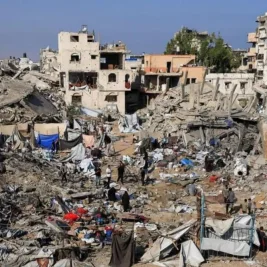
The strikes killed at least 20 people and injured 32 others, according to the Popular Mobilization Forces.
Iranian state media reported that Tehran's Foreign Ministry condemned the military operation. Newly elected Iraqi President Nizar Amidi termed the bombardments an unacceptable violation of national sovereignty.
Gulf Allies Back Saudi Action
In response to the actions taken by Saudi Arabia, neighboring Gulf allies expressed immediate support for the joint military measures.
"The Ministry reiterated the UAE's full solidarity with the Kingdom of Saudi Arabia and its support for all measures aimed at safeguarding its security and stability," stated the Ministry of Foreign Affairs of the United Arab Emirates.
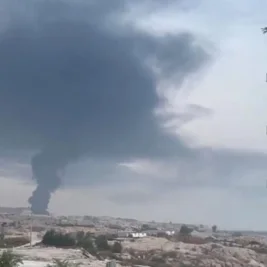
The maritime conflict widened into the Mediterranean Sea when a suspected drone strike hit a US-owned vessel during liquefied natural gas cargo operations at Egypt's Damietta port.
Maritime risk-management firm Marisks confirmed the affected ships were repositioned outside the facility, marking the first direct impact on Egyptian infrastructure.
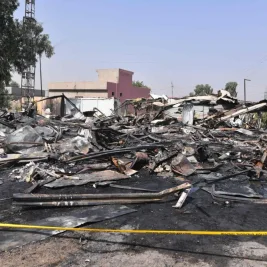
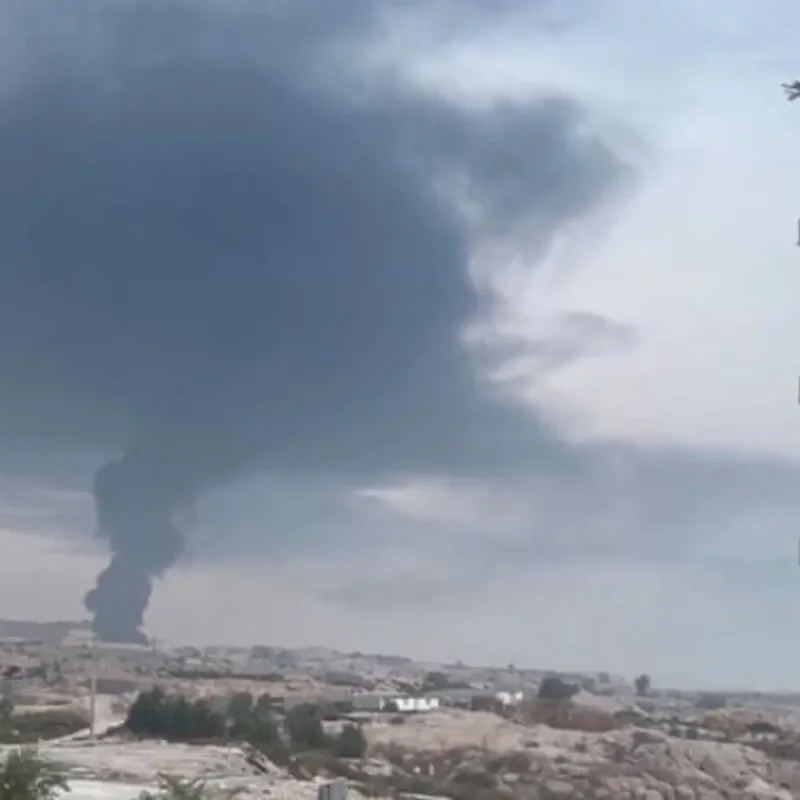
Farther south, a separate Iranian strike hit a structure belonging to a Chinese firm in northern Kuwait, causing structural damage and killing one worker, according to the Kuwaiti army.
Military leaders in Kuwait announced they would take all necessary measures to protect national sovereignty and preserve security.
The Iranian military declared that vital transit corridors would remain restricted as long as Western forces maintain a military presence in the region.
"The Strait of Hormuz will not be reopened as long as the excessive rhetoric, threats by American officials, and their interference with maritime movements in the region continue," stated Iran's Islamic Revolutionary Guard Corps in a Telegram message.
Iranian forces asserted total control over the strategic waterway and threatened military action against non-compliant ships.
"The Strait of Hormuz is our territory, and the courageous sailors of the IRGC Navy firmly control it.
No outsider who has come from thousands of kilometres away will be permitted to interfere," stated the IRGC, adding that "the aggressor will be punished today."
The Iranian military command issued an additional warning to external nations assisting coalition efforts.
"Countries that are assisting the aggressor, if they do not change their behaviour, will receive a harsh response," stated the IRGC.
Domestic political pressure regarding American military involvement in the expanding conflict continues to mount in Washington. "We're $37 billion into this," Representative Kevin Mullin told CNN.
The lawmaker noted that public support is declining due to rising household expenditures and elevated energy costs nationwide.
"Domestic politics are eroding even as we speak," Mullin said. Congressional leaders expressed concern over the lack of an immediate diplomatic resolution to re-open international shipping routes.
"End this war," Mullin said. The lawmaker warned that ongoing hostilities could leave the United States with limited leverage moving forward.
"This president may wind up with something much weaker," Mullin said.