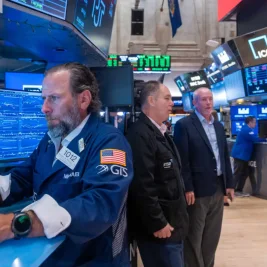
Employers in the United States added just 29,000 nonfarm payroll jobs in September, a surprisingly weak result that fell far short of Wall Street expectations of around 84,000 to 90,000.
The unemployment rate edged up to 4.2 percent, according to Bureau of Labor Statistics data released Friday, October 2, 2026.
The figures point to a clear cooling trend in the American labor market amid ongoing economic uncertainties.
Federal revisions also revealed weaker momentum in previous months, shaving a combined 60,000 jobs off prior counts.
August gains were lowered to 133,000, while July was revised into a net loss of 10,000 positions.
Sector Gains and Losses
Job gains were largely driven by health care, which added 17,000 positions, alongside construction with 11,000 and manufacturing with 9,000.
Government employment dropped by 17,000 and temporary help services fell by 11,000.
Information services lost 10,000 positions and financial activities declined by 7,000 amid growing corporate adjustments around artificial intelligence and broader economic shifts.
In the financial markets, stock futures rose and Treasury bond yields dropped as investors calculated that the weak employment figures drastically reduced the likelihood of a central bank rate hike at the upcoming Federal Reserve meeting.
Average hourly earnings increased by just 0.1 percent for the month, slowing annual wage growth to 3.0 percent, its lowest rate since May 2021.
"For the Fed, this number should be the nail in the coffin for an October hike," Thomas Simons, chief U.
S. economist at Jefferies, said in a note.
Simons added that early indicators had pointed to stronger momentum following a solid August reading.
"The payroll data surged in August, and we had expected the momentum to continue this month, given the historically low prints on jobless claims in recent weeks," he added.
He noted, however, that the recent fluctuations showed hiring patterns were normalizing after a volatile summer.
"However, it now appears that the August number was nothing more than a rebound from very weak hiring in June and July."
Political leaders also weighed in on the economic release, pointing to worker struggles with persistent price pressures.
"President Trump's failing economic agenda is weakening the labor market," Senator Elizabeth Warren, Democrat of Massachusetts, said in a statement.
Warren highlighted that wage increases have failed to keep pace with living expenses across the country.
She specifically cited slow growth in wages at a time when the president's "failed agenda keeps pushing prices up."
While economic growth overall remains solid—with second-quarter GDP revised to 2.5 percent—the labor data suggests central bank officials will likely wait until December before considering further interest rate adjustments.