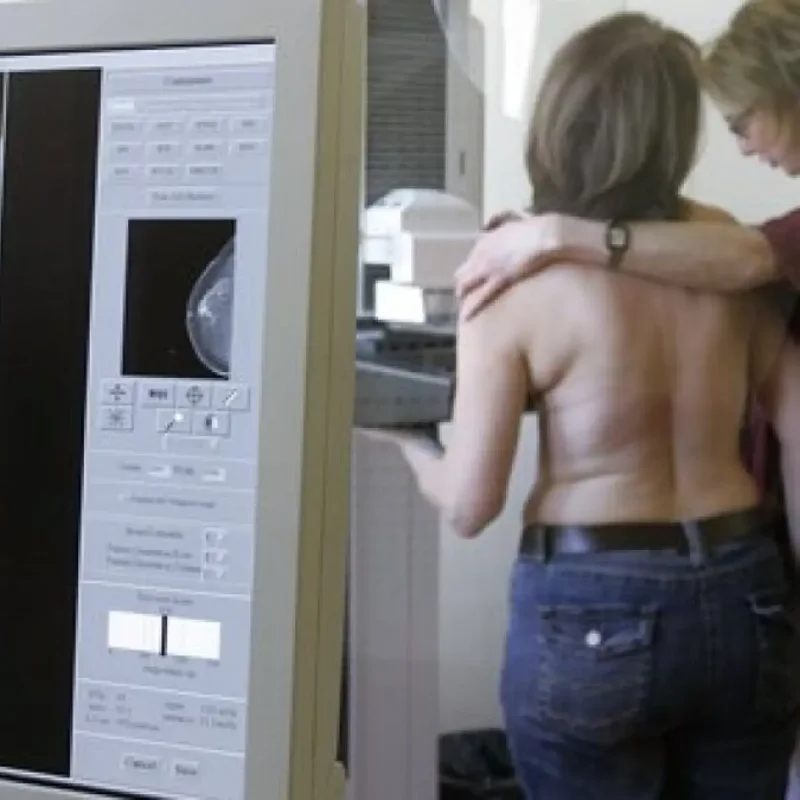
Health officials and medical experts are urging women not to delay routine breast cancer screenings as National Breast Cancer Awareness Month begins in October 2026.
Early detection through annual mammograms remains the primary defense against the disease.
Breast cancer ranks as the second most common cancer and the second leading cause of cancer deaths among American women.
The American Cancer Society estimates that over 380,000 women in the U. S.
will receive a breast cancer diagnosis this year, with approximately 42,000 deaths expected.
About 1 in 8 women will develop breast cancer during their lifetime.
While the condition can affect both men and women at any age, risk factors increase with age and a family history of the disease, particularly among first-degree relatives.
Screening Guidance and Support Tools
Doctors emphasize that individuals at average risk should start annual mammogram screenings at age 40, or earlier if family history indicates higher risk.
Mammograms can detect abnormalities and tumors before physical symptoms appear or lumps can be felt.
To assist individuals in evaluating their personal health history, lifestyle factors, and screening schedules, the American Cancer Society launched a free online tool called CancerRisk360 for adults aged 18 and older.
The tool provides personalized action plans but does not replace professional medical consultation.
State health departments are also working to eliminate financial barriers to care.
In Wisconsin, where more than 5,000 residents receive a breast cancer diagnosis annually, the state's Well Woman Program offers free clinical exams and mammograms to eligible individuals.
Healthcare providers advise watching for symptoms such as new lumps, skin changes, or nipple discharge.
While breast cancer cannot be completely prevented, risk reduction steps include maintaining a healthy weight, staying physically active, limiting alcohol intake, and avoiding smoking.
Overall mortality rates from breast cancer continue to decline nationwide, driven by earlier detection through regular screening programs and advancements in medical treatments.
Health leaders urge women to prioritize breast cancer screenings as annual U. S.
diagnoses are projected to top 380,000 cases.