The U. S.
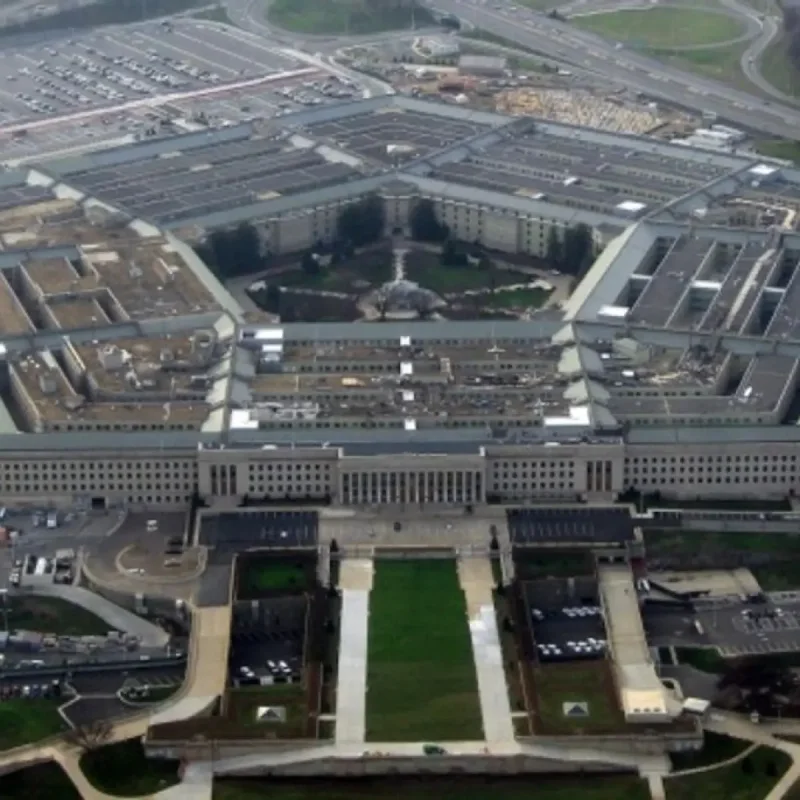
Department of Defense excluded several major allies, including the United Kingdom, France and Baltic nations, from an upcoming NATO working group meeting in Poland.
The meeting is led by Pentagon policy chief Elbridge Colby, according to a Politico report cited by Ukrinform.
Diplomats from the excluded countries expressed frustration over the unannounced criteria used to decide who could take part in the strategic discussions about NATO's future.
A representative of one excluded allied country raised concerns about the sudden lack of communication from Washington regarding the gathering.
"We're doing everything that is being asked of us. We're trying to understand what the criteria is and what the purpose of these meetings are.
Not much has been passed on to us yet," the representative said.
Neither the White House nor the Pentagon provided immediate clarification on the participant selection or the event's strategic objectives.
Bergen Group Precedent
The upcoming summit follows an initial gathering organized by Colby in Bergen, Norway, in June.
That meeting established a working subset dubbed the Bergen Group alongside six participating nations: Norway, Sweden, Finland, Poland, Germany and the Netherlands.
A diplomat from an invited nation defended the initiative, saying the focused group aims to formulate joint policy recommendations for the broader alliance rather than foster internal divisions.
"NATO allies that are rapidly meeting their Hague spending commitments, have the scale to contribute, and are ready to get down to practical business," wrote Elbridge Colby, head of the Pentagon Policy Office.
Participants noted that Denmark may soon join the initiative following a bilateral agreement expanding U. S.
military presence in Greenland.
Even so, invited members questioned why military powers such as the United Kingdom remain omitted.
One diplomat emphasized the severe consequences of dividing alliance members into distinct tiers based on Washington's shifting criteria.
"If they try splitting NATO into the good ones and the bad ones, it is dangerous for the U.
S. But for Europe, this is existential," said one of the six diplomats.
The organizational shift aligns with repeated demands from President Donald Trump and Defense Secretary Pete Hegseth for European allies to meet a 5% GDP defense spending threshold and support U.
S. geopolitical objectives, including military actions regarding Iran.