European Union negotiators have dropped their opposition to granting transition periods for UK businesses adapting to new food and drink alignment rules.
The shift comes ahead of a summit provisionally scheduled for November 20, 2026, according to EU sources and reports from the Financial Times and The i Paper.
The policy change aims to prevent a cost cliff edge for British companies trading across the border.
Under the proposed arrangements, the UK seeks to align with EU sanitary and phytosanitary (SPS) regulations to ease cross-border trade and lower consumer supermarket prices.
Without transitional concessions, immediate regulatory changes could cost British industry between £500 million and £810 million annually due to divergence since Brexit.
Specific allowances under discussion include temporary exemptions for gene-edited crops, pesticide rules affecting cereal products, and sales periods for long-shelf-life goods manufactured before new standards take effect.
"We are looking at all of these issues," said an EU source.
Horticulture Sector Advised to Review Supply Chains
For the horticultural sector, the Department for Environment, Food and Rural Affairs (Defra) advised businesses to evaluate their supply chains.
The government aims to implement SPS arrangements from mid-2027.
The Horticultural Trades Association highlighted that removing routine physical checks and phytosanitary certificates would alleviate substantial administrative costs for growers, retailers, and landscapers.
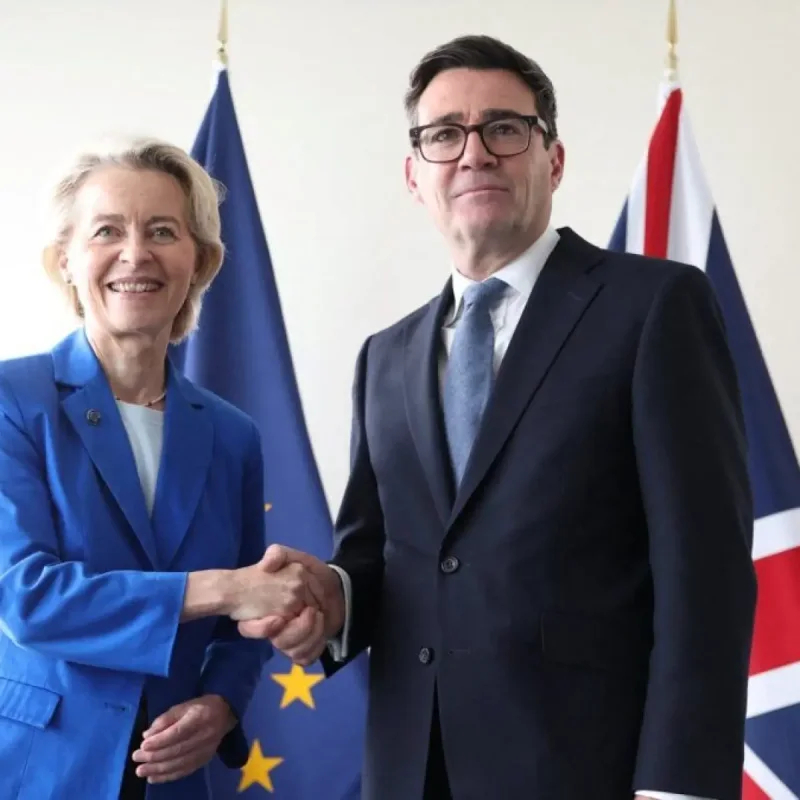
The broader bilateral summit follows a September meeting at the UN General Assembly between British Prime Minister Andy Burnham and European Commission President Ursula von der Leyen.
Beyond food regulations, the proposed agreement framework encompasses linked emissions trading systems and a youth experience scheme.
However, negotiators remain divided over visa quotas and university tuition fee structures for under-30s.