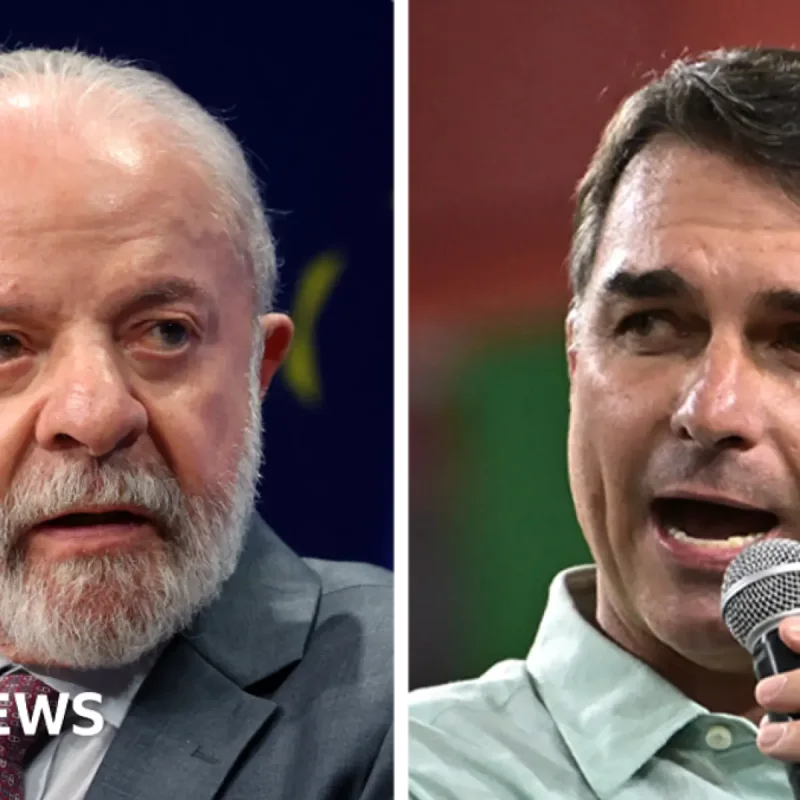
Conservative challenger Flávio Bolsonaro captured 47 percent of the vote in the first round of Brazil's presidential election on Sunday, surpassing incumbent President Luiz Inácio Lula da Silva.
The result forces an October 25 runoff between the two candidates.
Official tallies showed Lula securing 45 percent of the vote, trailing the 45-year-old senator whose performance exceeded preliminary campaign polling.
The candidate's Liberal Party also secured the highest number of governorships, Senate seats, and federal deputy positions in national legislative contests.
Runoff Set as Bolsonaro Pledges Amnesty and Security Measures
The right-wing victory moves Brazil closer to joining a regional political shift toward conservative leadership aligned with the United States administration.
Flávio Bolsonaro is the son of former President Jair Bolsonaro, who was disqualified from holding office and is serving a 27-year prison sentence related to the 2023 government building riots.
Addressing supporters following the initial vote tallies on Sunday, the conservative candidate expressed confidence ahead of the upcoming head-to-head vote.
"I am very happy with the real possibility that, three weeks from now, Brazil will give a definitive answer by choosing a modern government," said Flávio Bolsonaro, Senator.
During his campaign, Bolsonaro pledged to grant amnesty to his father and supporters involved in the January 8 riots.
He also proposed strict security measures, including designating major Brazilian gangs as criminal terrorist organizations and building high-security detention facilities.
Responding to the initial round results, the 80-year-old incumbent president acknowledged the setback while maintaining that his campaign would pivot before the runoff.
"I admit I was convinced I would win in the first round," said Luiz Inácio Lula da Silva, President of Brazil.
Lula added that the contest remained open despite the preliminary vote deficit.
"The game is about to start. We are in extra time.
In extra time, we will win over the Brazilian people," said Luiz Inácio Lula da Silva, President of Brazil.
Campaigning focused heavily on economic conditions, street crime, and corruption scandals involving financial figures and public officials.
Officials from Brazil's supreme electoral court confirmed Sunday that no evidence of foreign interference was detected during the voting process.