The remnants of Isaias pushed inland across the southeastern United States on Saturday, carrying heavy rain, damaging winds and the threat of isolated tornadoes.
The storm made landfall near Destin, Florida, as a Category 2 hurricane and has since weakened into a post-tropical cyclone.
More than 874,000 customers lost electricity across Florida, Alabama and Georgia, according to PowerOutage. com.
Florida accounted for 429,946 outages, Alabama 321,819 and Georgia 122,417.
Outages rose in all three states after Friday night, with Georgia seeing a particularly sharp increase as strong winds moved north.
Flooding and Tornado Threats Persist
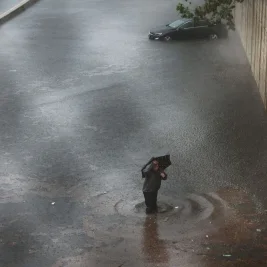
Heavy rain on the eastern side of Isaias hit Atlanta, where 1 to 3 inches had fallen by Saturday morning.
A flash flood warning covered more than two million people until 1:15 p. m.
Eastern time, and another 2 to 3 inches of rain was forecast.
The National Weather Service warned that flash flooding was ongoing or expected to begin shortly.
Alabama Gov.
Kay Ivey said her administration remained concerned about strong winds, heavy rainfall and possible spinoff tornadoes in parts of the state.
She urged residents to heed local warnings and stay weather aware as the storm continued north.
In western Florida, an Escambia County spokesperson confirmed one death after landfall, saying it occurred due to a downed tree.
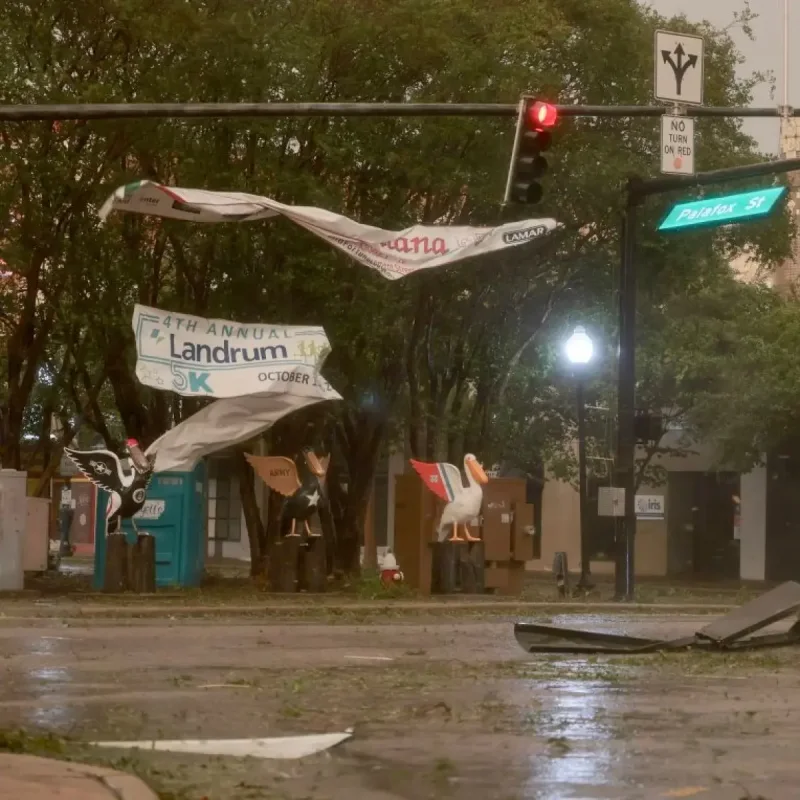
The Escambia County Sheriff's Office closed the Theo Baars Bridge, Bob Sikes Bridge and Pensacola Bay Bridge because of deteriorating weather conditions.
By Saturday, a CNN team had crossed the Pensacola Bay Bridge and the Bob Sikes Bridge.
Northwest Florida's transportation department said crews were removing debris and working to reopen roads as quickly as possible.
Florida Gov. Ron DeSantis said emergency search-and-rescue resources positioned before landfall had not yet been called into action.
Speaking to Fox News on Saturday morning, he described the situation as a cautiously good sign.
DeSantis said the lack of rescue deployments could indicate residents followed advance warnings and took precautions.
He also reported that crews worked overnight to clear debris from major routes, including Interstate 10 and key bridges.
Before landfall, Isaias rapidly intensified over the Gulf of Mexico into a major hurricane despite wind shear linked to El Niño.
Forecasts had warned of storm surge up to 9 feet and rainfall totals of 15 inches in some areas, prompting evacuation expansions along the Gulf Coast and emergency declarations in Florida and Alabama.
Isaias initially struck Florida with sustained winds of 105 mph and a storm surge of 5 feet.
It was the first hurricane landfall in the United States since Hurricane Milton came ashore south of Tampa as a Category 3 hurricane two years earlier.
Authorities urged residents to avoid unnecessary travel while emergency crews assess damage and clear debris from roads and bridges.
Hazardous conditions are expected to persist across the region through Saturday and into early Sunday.