
"Blackness is incorporated into the very fabric of the nation," said Frierson.
Seen from this perspective, it's not just that Mexican soccer today is becoming more diverse. It's that race in Mexico is becoming more visible.
Soccer, at times, can be a national mirror. A national team represents not just a country, but an idea of the country.
The World Cup is one of the few remaining spaces where nations are publicly showcased.
Every starting lineup announcement, every anthem, every goal becomes a debate – sometimes conscious, often unconscious – about who belongs.
Mexico is changing. Digital nomads from Europe and the US are setting up shop in Mexico City.
People from Haiti, Cuba and South America have settled in the country at unprecedented levels.
And some Mexicans who had been living in the US for decades are now returning home with their American families.
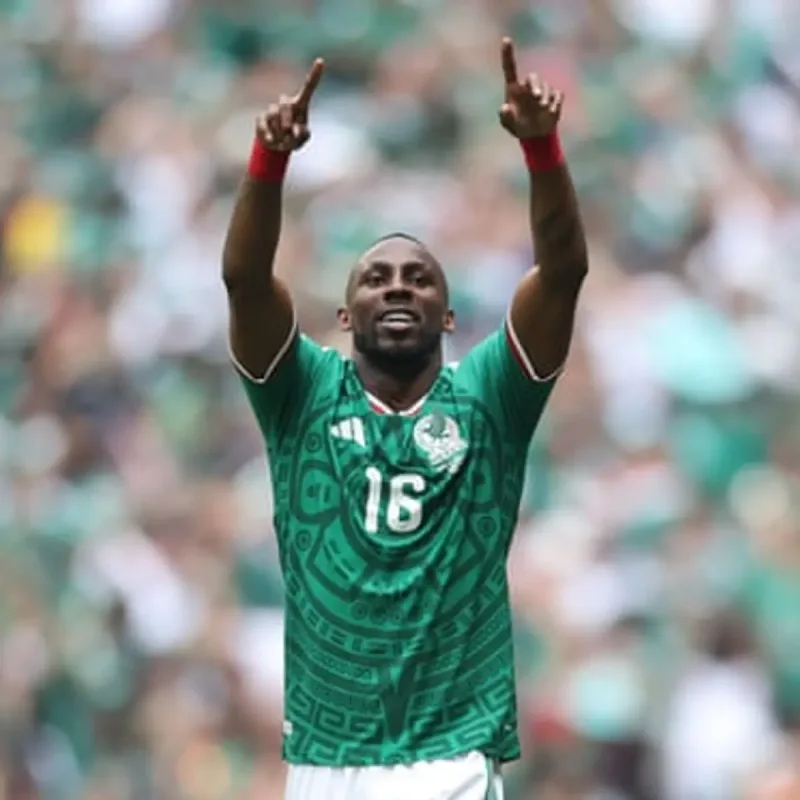
The Mexican national team is beginning to show a bit of that diversity: the World Cup squad includes a player born in Spain, Álvaro Fidalgo; another born in Alaska, Obed Vargas; one born in Argentina, Santiago Giménez; and Quiñones, who was born in Colombia.
Quiñones is challenging the expectations many still hold about what a Mexican is supposed to look like.
Mexican diversity has always existed, but soccer possesses a unique ability to bring that reality to light.
A player scores a goal. The crowd rises.
Cameras search for a face. And, for an instant, a nation contemplates itself.
>>> Argentina and Austria Clash in World Cup Group J Showdown
Not necessarily as it imagined itself to be, but as it has been all along.