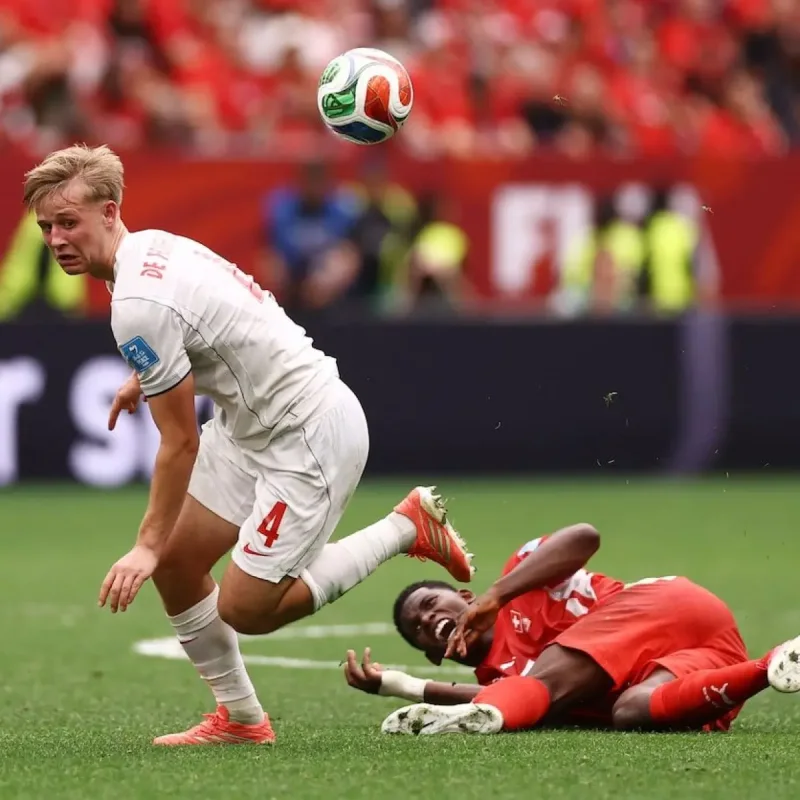
A highly anticipated round of 32 match brings Morocco and the Netherlands together exactly 32 years after their inaugural official football encounter.
The upcoming showdown takes place in Monterrey, Mexico, a location deeply tied to the history of the Atlas Lions.
Monterrey served as the primary venue during Morocco's historic 1986 World Cup campaign, where they became the first African nation to advance past the group stage.
The North African side enters this heavyweight fixture with high confidence following their remarkable semi-final run in Qatar four years ago, which included victories over Belgium, Spain, and Portugal.
This particular fixture stands out as the only round of 32 matchup featuring two teams that secured seven points in the group stage while holding positions within the top 10 of the FIFA rankings.
Morocco previously tested their form against tournament favorites in a 1-1 draw against Brazil during their Group C opener.
Cultural and Social Significance
Beyond the sporting stakes, the fixture carries profound social and cultural significance due to the migration of Moroccans to the Netherlands starting in the 1960s.
Multiple generations later, several Dutch-born footballers have chosen to represent Morocco on the international stage.
Current squad members Noussair Mazraoui, Sofyan Amrabat, and Anass Salah-Eddine were all born and raised in the Netherlands before committing to the Atlas Lions at various points in their careers.
Amrabat joined for the Under-17 World Cup in 2013, Mazraoui at the under-20 level, and Salah-Eddine just months prior to the latest Africa Cup of Nations.
The Moroccan team has maintained strong momentum over the past four years, securing a victory in this year's Africa Cup of Nations.
Their robust youth scouting and local training systems continue to produce impact players, such as 18-year-old midfielder Ayyoub Bouaddi, who delivered a standout performance against Brazil.
"It's a shame two such great footballing nations meet this early in the knockout stage," says Hassan Bahara, a Moroccan-Dutch author and journalist.
"I'd have hoped they'd face each other later, after both had the chance to show the world what they're capable of."
"The street football that Dutch and Moroccan kids once played against each other in Amsterdam's neighbourhoods has, in a sense, arrived on the world stage," says Bahara.
"That backstory gives this game a layer of meaning that simply would not exist against any other opponent."
"The feeling is almost that of a derby," says Jean-Paul Rison, a sports journalist based in Utrecht.
"Ninety-nine percent of the people over here will be in total harmony.
The only aspect I'm not looking forward to is how some people will fit this game into their agenda of hate."
"My concern is that certain right-wing media like De Telegraaf and far-right politicians like Geert Wilders will try to inflame tensions," he says.
"Wilders has wasted no time: he immediately started posting AI-generated images on social media designed to provoke the Moroccan community."