Animals share our physical world, but recent scientific insights reveal they experience their surroundings through vastly different temporal frameworks.
Research teams are investigating how various species assemble sensory data to construct their unique streams of experience, a concept defined as a timescape.
Auditory Illusions Across Species
Scientists examine how animals process specific temporal illusions, such as the auditory continuity illusion.
Human perception naturally fills in brief missing gaps of sound, such as replacing static noise in an interrupted phrase to hear a complete word.
This mental correction relies on a specific structural window of time that remains open to immediate updates as new auditory information arrives.
Data indicates that starlings and squirrels experience identical illusions when hearing disrupted calls from members of their own species.
However, the temporal window for revision is significantly shorter in wildlife, lasting about half as long in starlings and only a quarter as long in squirrels compared to humans.
Visual Synchronization and Motion Dazzle
Another divergence occurs during the flash-lag illusion, where humans perceive a sudden flash as lagging behind a perfectly aligned moving object.
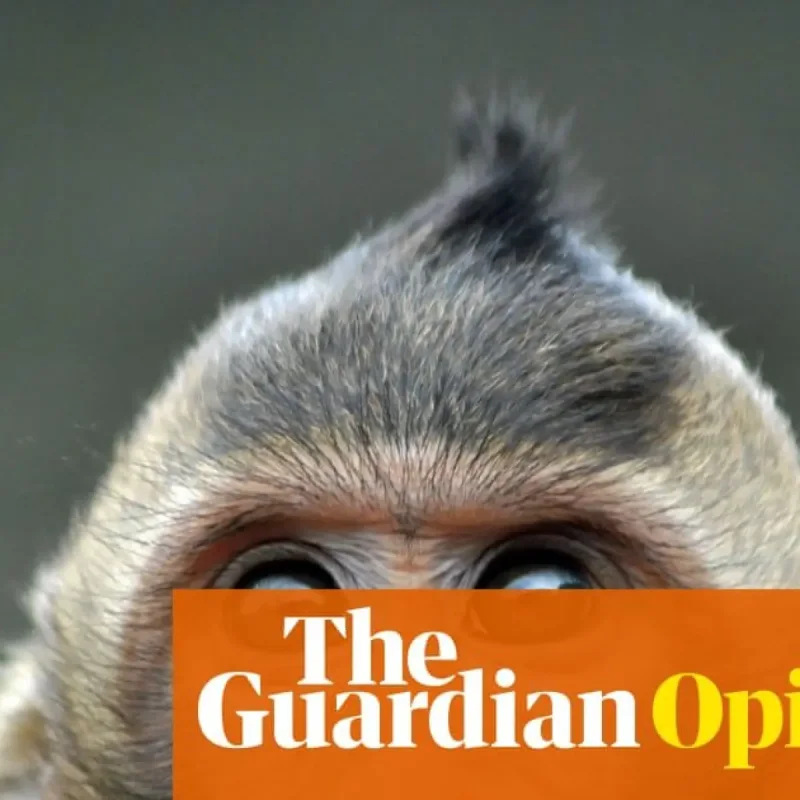
Monkeys experience a reduced lag during identical tests, suggesting a smaller discrepancy in visual processing speeds between moving targets and sudden flashes.
In the wild, certain species utilize these temporal visual processing gaps as defensive mechanisms to evade predatory attacks.
Butterflies leverage high-contrast wing patterns to generate flash-like displays during flight, creating motion dazzle that disrupts a predator's tracking capabilities.
Courtship Visuals and Infrastructure Applications
Temporal variations also influence animal ecology, notably observed during the complex courtship rituals of Indian peacocks.
Shaking iridescent tail feathers may trigger flicker-induced depth illusions, causing eye-spots to appear floating in front of the plumage.
Understanding these diverse timescapes offers practical frameworks for human engineering and public infrastructure design.
These sensory insights can assist in minimizing avian collisions with wind turbines and establishing optimal warning signals for transport networks.