>>> Dutch Prosecutors Charge Tata Steel Over Hazardous Emissions in IJmuiden
“It’s food that is rotting and it’s poor quality, and probably highly energetic.
So, they can get leftover steaks or leftover fish, everything we throw away to landfill sites,” Franco said.
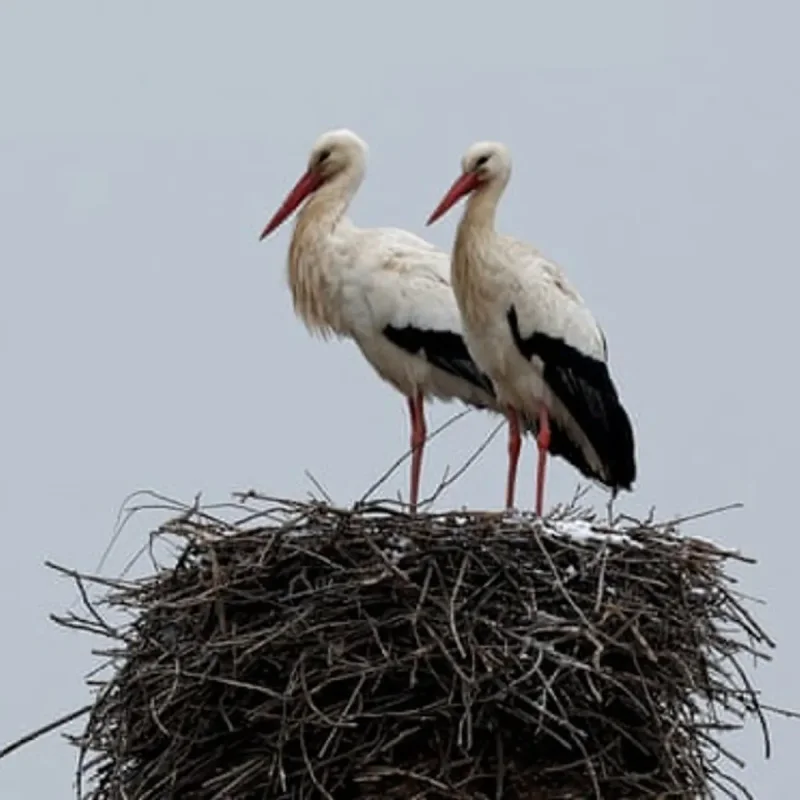
Franco noted that while individual storks face risks from contaminants and diseases, the extra food resource benefits the wider population.
“It is true that it can be damaging for individual storks to eat these types of food that can have contaminants and diseases.
But from a population perspective, if you’d have 500 storks going to a landfill site, maybe a few will die from eating these contaminated items, but the majority will actually benefit from having extra food,” she explained.
This reliance on landfills faces disruption as stricter EU waste management policies reduce open landfill access across Europe.
>>> US Commerce Department Approves OpenAI GPT-5.6 Launch
Franco questioned whether completely preventing storks from accessing organic waste could lead to population declines, noting that white stork populations were declining until the 1980s and have since been reintroduced in Sweden and the UK.