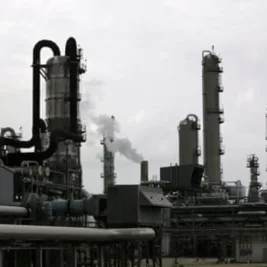

The current policy shift transfers the dangers of chemical operations from corporate entities onto surrounding populations, Boom noted.
"This report makes plain what communities, workers and first responders already know: chemical disasters are happening far too often, and are too often undercounted," Boom said.
"Many are preventable, but instead of strengthening safeguards, this EPA is trying to weaken the rules designed to stop them."
Ruch observed that halting the regulatory rollbacks remains difficult because the administration is using formal rule-making, with finalization expected by autumn.
Demographic data indicates about 40% of the US population lives within three miles of at least one of the nation's 12,000 high-risk chemical operations.
>>> Ottawa Braces for Severe Thunderstorms and Muggy Heat on July 9
"You better hope you’re lucky in that there’s no proactive effort to make sure that these ultra-dangerous facilities are operating safely," Ruch said.