US inflation cooled to an annual rate of 3.5% in June, according to data from the Bureau of Labor Statistics.
The decline was partly attributed to a brief ceasefire between the US and Iran, which lowered energy costs.
However, the peace agreement has since expired, and subsequent military strikes have caused energy costs to surge again.
Brent crude oil rose to $80 per barrel on Monday, after hitting a low of $67 earlier in July.
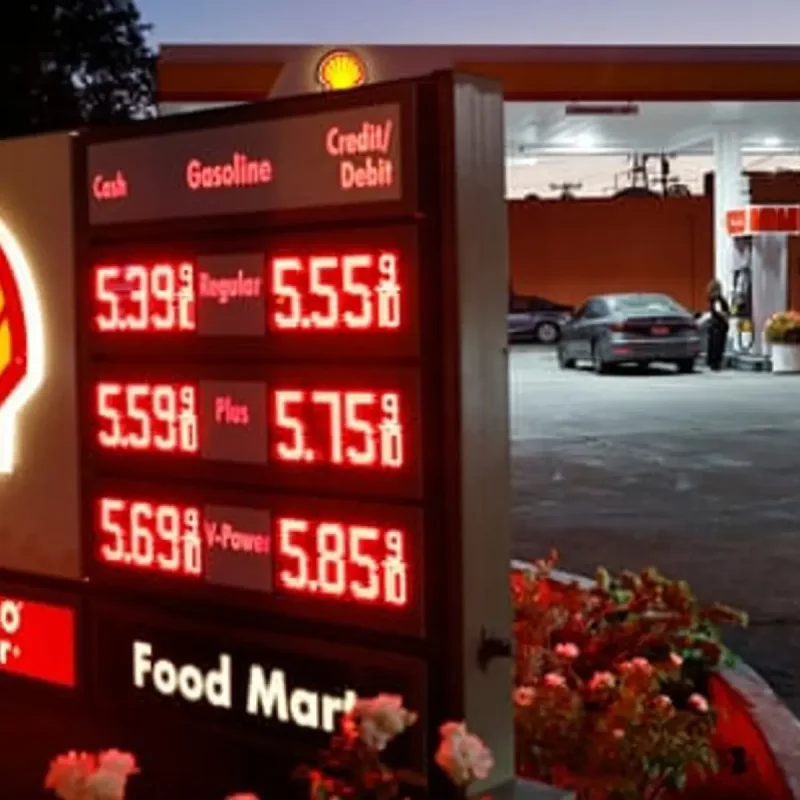
Consumers are feeling the impact at the pump.
The national average price for a regular gallon of gasoline reached $3.87 last week, a 70-cent increase compared to the same period last year.
Broader Economic Impact
The volatility has affected the broader Consumer Price Index (CPI), which hit a three-year high of 4.2% in May, up from 2.4% in February.
Core inflation, excluding food and energy, slightly decreased to 2.6%.
Former President Donald Trump addressed the geopolitical situation on Monday, targeting a vital shipping route through which a fifth of global oil and gas supply moves.
He stated that the United States would reinstate its previous blockade against Iranian ports.
Rising energy costs have also impacted other sectors.
Delta Air Lines revealed in its quarterly earnings report last week that it passed 60% of its extra fuel costs onto consumers through sustained high airfares.
Public sentiment reflects the economic pressure.
A Harris-Guardian poll found that 95% of Americans believe the country faces an affordability crisis, while a majority said the economy has worsened since February.
Despite inflationary pressures, the American job market added an average of 111,000 jobs from April through June.
The US Federal Reserve is scheduled to evaluate these employment figures alongside inflation data during its upcoming board meeting on July 28 and 29.