"But because social media is sort of there forever, people who want to know what other people are talking about can easily see it and access it.
But it doesn't mean that it's persuading anyone," said Joseph Uscinski.
He emphasized that heightened public focus on significant events naturally inflates the attention given to accompanying rumors, though actual believers remain in the minority.
"That's a difference between the online chatter and belief," said Joseph Uscinski.
According to the researcher, online engagement is often disconnected from the knowledge or opinions of the broader electorate.
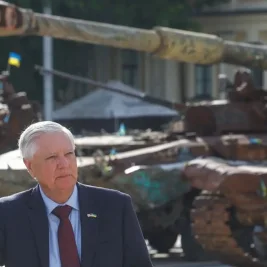
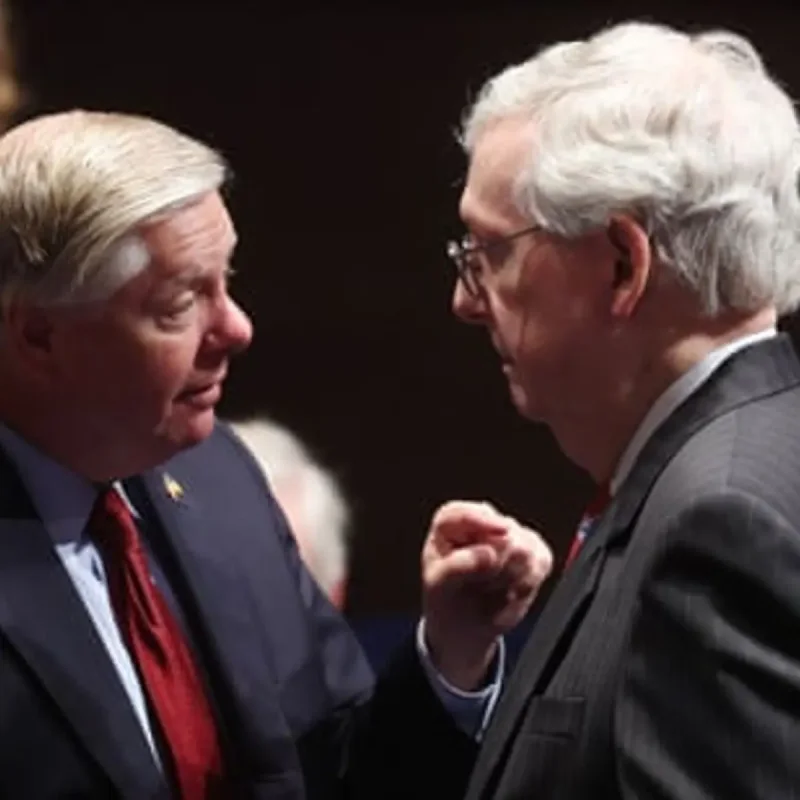
"You can get a lot of people buying into something online, but then you go poll on it, and people are like, who's Lindsey Graham, who's Mitch McConnell?"
said Joseph Uscinski.
Meanwhile, questions regarding Mitch McConnell arose after he vanished from public view in mid-June, culminating in his office releasing a photo of him holding a recent newspaper.
The image was meant to quell claims that he was no longer alive, but instead drew further skepticism from commentators and fellow lawmakers alike.
>>> Scottie Scheffler Dismisses Golf Legacy Concerns Ahead of Open Championship
"I've just heard from some other sources that was an older photo. So I really don't know," said Ron Johnson, US Senator.
Senator John Cornyn of Texas also commented on the situation, expressing that a more proactive communication strategy from McConnell's team could have prevented the rumors.
Cornyn also called for transparency regarding Graham's autopsy, suggesting a public toxicology report would put lingering doubts to rest.