China's economy expanded by 4.3% in the second quarter, falling short of the government's target range of 4.5-5%, according to data from the National Bureau of Statistics.
The figure marks one of the lowest quarterly growth rates since the early 1990s.
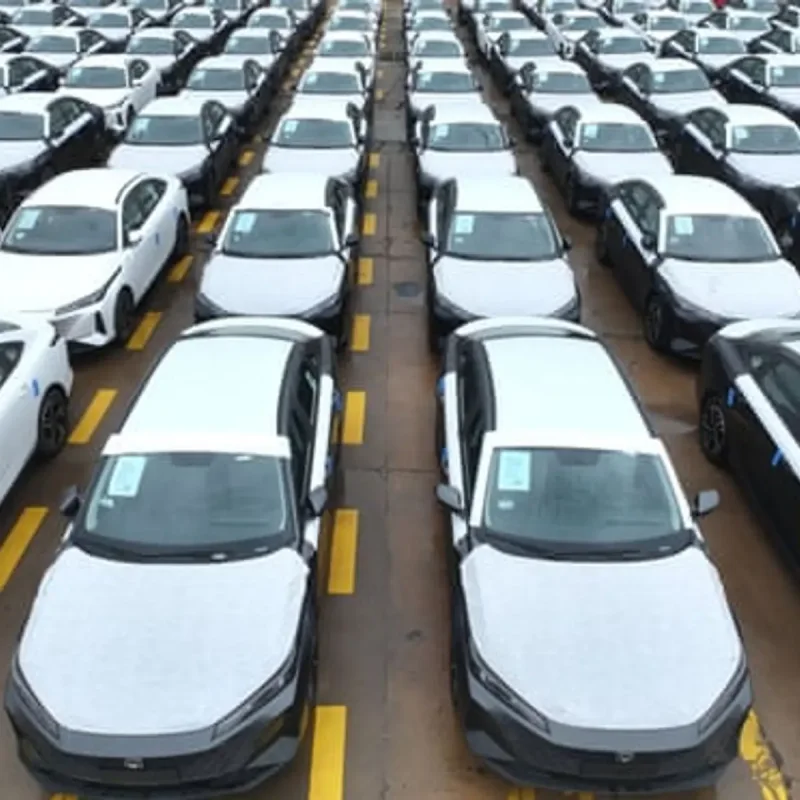
The data released Wednesday contrasts sharply with customs figures showing a 27% increase in exports for June, highlighting the country's growing reliance on international sales amid struggling domestic consumer demand.
Monthly car exports exceeded 1 million units for the first time in June, yet domestic vehicle sales declined by over 16%.
Retail sales, excluding automobiles, rose by 3%, but economists stress that more robust consumption growth is needed.
Investment Decline and Expert Concerns
Li Daokui, a prominent economist and adviser to the Chinese government, noted that local governments have transformed from growth engines to bottlenecks.
Fixed-asset investment fell by more than 4% from January to May, with Li describing the cumulative negative growth as "unprecedented" in intensity and magnitude.
Li, a professor at Tsinghua University, emphasized the need to address investment and unemployment issues to achieve economic objectives.
Concerns also surround the US-China trade relationship, currently in a truce, with a potential return to tariffs in November that could affect Chinese exporters.
The ongoing US-Israel conflict poses additional risks to global demand for Chinese goods.
Despite these challenges, the overall growth rate for the first half of the year stands at 4.7%, aligning with Beijing's target range.
This may reduce the urgency for large-scale policy interventions, though calls persist for more extensive measures to boost consumer spending.