Stigma and superstition continue to surround individuals living with neurodevelopmental disabilities, including Down syndrome and cerebral palsy, in Nigeria.
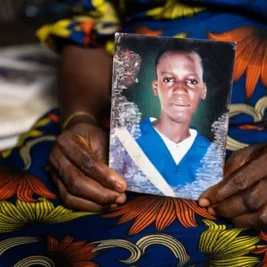
Alameen was born in 2015 with Down syndrome. Local community members suggested extreme, superstition-driven actions to his mother, Fatima Muhammad.
While Alameen is happy and communicative at home using basic sign language, Muhammad must regularly endure public insults and stares when they go outside.
Down syndrome occurs in Nigeria at an estimated rate of 1 in 865 live births, according to studies.
The first national assessment of disability inclusion in Nigeria, conducted in 2024, highlighted that people with disabilities have faced social, economic, and institutional barriers limiting their participation for decades.
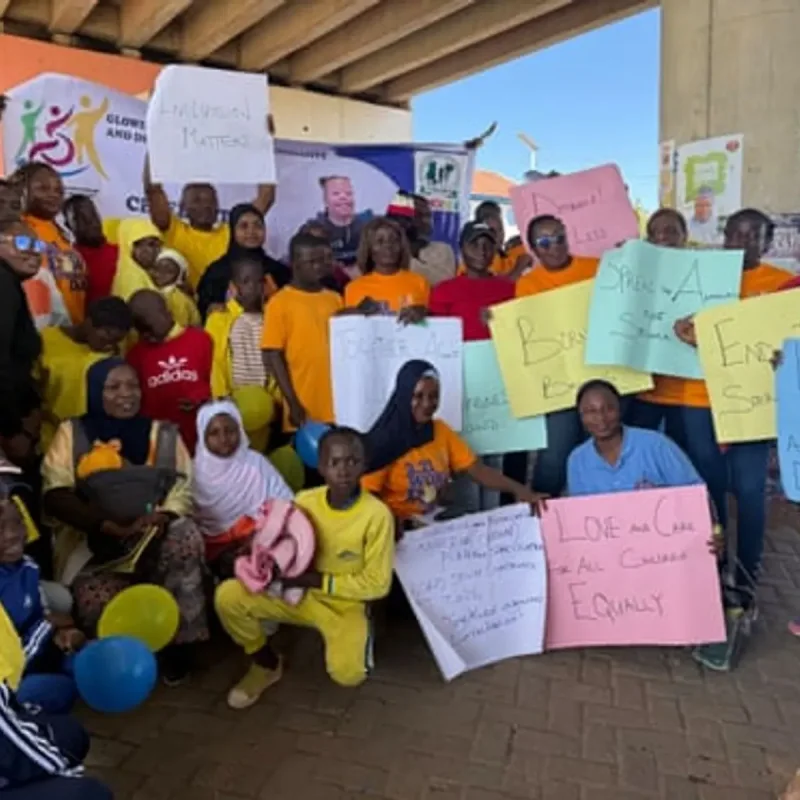
Earlier this year, Muhammad joined more than 100 people in Jos, Plateau State, to march for World Down Syndrome Day, advocating for public inclusion.
"I was happy to see people step up and try to end the stigma surrounding this," Muhammad says.
Leading this public march was Safiya Atta Mansoor, a 60-year-old retired public finance director whose niece, Naseerah, was diagnosed with cerebral palsy.
After seeing the educational and financial hurdles faced by her family, Mansoor established the GlowingStar Empowerment Initiative and Development in March 2025.
The initiative provides a safe community space for caregivers to share their mental health struggles without fear.
Muhammad now joins Mansoor on Plateau State radio and television programs to actively educate the public and counter myths about disabilities.
"I feel better now that I can speak about my struggles and encourage other families facing this," Muhammad says.
Mansoor partners with various donors to fund tailored rehabilitation plans covering physiotherapy, speech therapy, education, and nutritional support for the children.
According to Mansoor, securing funding for neurodevelopmental disorders remains difficult because progress is slow and hard to measure.
"These kinds of disabilities are often treated like a curse, a contagious disease or a result of witchcraft.
This is what I am fighting against," Mansoor says.
Naseerah's mother, Halima Ovosi, shares similar experiences of facing public judgment and being labeled a bad mother when she goes out with her 11-year-old daughter.
While specialized schools and advocacy networks are more accessible in southern Nigeria, especially Lagos, northern regions like Plateau State have very few resources.
Mansoor hopes her continued advocacy will push the government to implement structured policies, including inclusive schooling, subsidized medical care, and caregiver counseling.
"We want a situation where they can take care of themselves by themselves, to whatever extent they can," Mansoor says.
"If we can keep going out like this, and our voices are being heard, we change the narrative.
Then the stigma and myth about Down's syndrome and other disabilities being a result of witchcraft will not only stop but will die completely," Mansoor says.