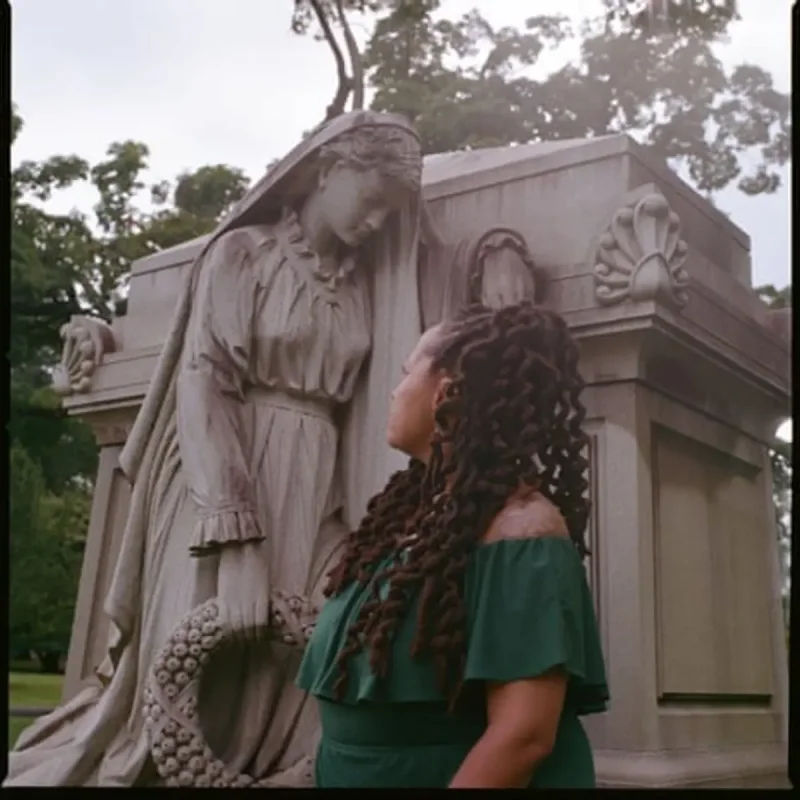
“We deserve to be seen,” Moor said. “Death isn’t just a medical or a legal event.
It’s cultural, spiritual or familial. It’s human.
The way someone wants to be cared for at the end of life is deeply connected to who they are, where they come from and what they believe in.”
Moor traces her lineage to the Caribbean, referencing Trinidadian practices where a deceased person’s body is brought home for a nine-day celebration.
Mirrors are removed, and furniture is rearranged to allow the soul to move freely. “This is the OG work,” Moor said.
Social media platforms like Instagram and TikTok, particularly the DeathTok community, have also helped younger generations discuss mortality and find practical advice on end-of-life care.
“It helps people realize,” Moore said, “that ‘I’m not alone, or I’m not morbid or I’m not wild for thinking about death.’”
LGBTQ+ Death Salons Offer Specialized Support
Meanwhile, LGBTQ+ death salons offer specialized support that acknowledges gender diversity and sexual orientation.
>>> Italy's Free Beach Campaigners Battle Mafia, Military, and Private Lidos
They address specific fears such as being misgendered after death or experiencing isolation after losing a partner.
Kyra Overmier, a 43-year-old queer death doula, hosted a salon at Laurel Hill cemetery in March, noting that disproportionately higher rates of violent deaths among trans individuals inform how they walk through life.
Overmier and her colleagues Taylor Bell, 44, and Lacy Buynak run a business called The Art of Dying to provide nationwide end-of-life companionship and education.