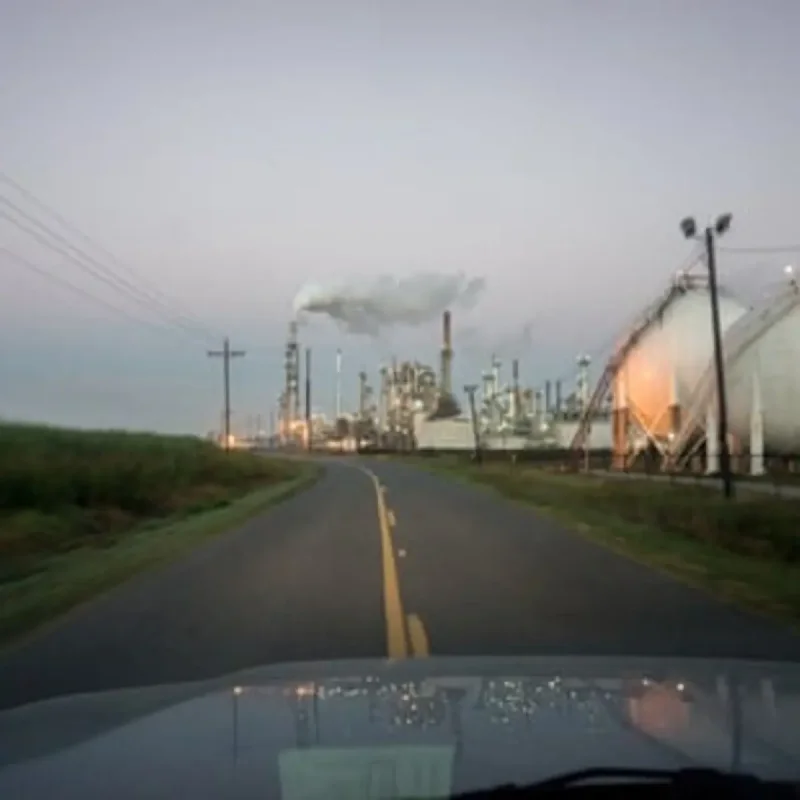
A year later, the section was gone, as was the St Rose monitor.
The LDEQ operates 35 permanent air monitoring stations and says it meets all regulatory requirements. “We run our sites well.
We have good operators, and [the network] provides very high-quality data,” said Jason Meyers, overseer of the LDEQ air monitoring team.
The agency has two mobile monitoring vans that respond to incidents and fill in when storms knock out power.
The department also measures toxic air pollutants at 19 sites, but not continuously.
Most sample every sixth day on a fixed schedule, meaning plant operators know when testing occurs.
Financial and technical constraints limit full monitoring coverage, the LDEQ acknowledges. Since 2020, the state has lost four air monitoring stations.
Expenditures for the division overseeing air monitoring fell nearly 15% between 2020 and 2026. Adjusted for inflation, spending dropped by more than one-third.
Nationally, the number of operating air monitors fell by nearly half over the decade ending in 2021.
“Your dollars are just not going nearly as far,” said Chet Wayland, former leader of the EPA air quality assessment division.
“The bottom line is that more money is desperately needed for monitoring.”
The EPA monitors toxic air pollutants at 26 stations nationally, but none are in Louisiana or Texas, two states with the largest toxic emissions volumes.
Industry Influence on Legislation
Former state senator Cleo Fields, a Democrat from Baton Rouge, repeatedly proposed requiring major industrial polluters to monitor toxic air emissions at their property lines.