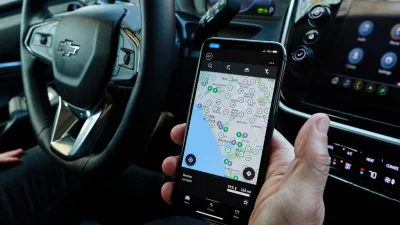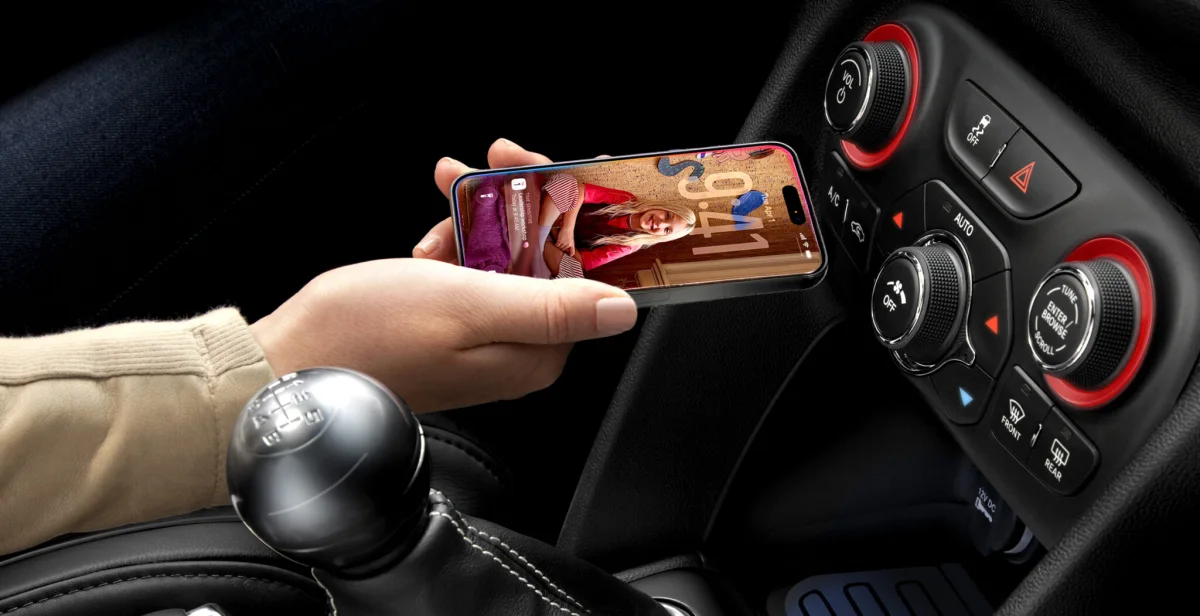
A year after Iowa's hands-free driving law took effect, new data from Nationwide Insurance and Cambridge Mobile Telematics (CMT) suggests drivers are spending less time on their phones behind the wheel.
However, the study's headline conclusions come with significant caveats.
What the Data Shows
CMT analyzed more than 140 million trips between July 2025 and May 2026. Phone-motion distraction fell 6.9 percent, while handheld calling dropped 6.2 percent.
Nationwide's opt-in SmartRide customers showed even larger declines, including a 13.6 percent reduction in screen tapping after full enforcement began.
The study estimates that these behavioral changes prevented around 470 crashes, 210 injuries, three fatalities, and more than $20 million in economic losses.
However, that figure is not based on actual crash counts. It was modeled using historical Iowa crash data alongside federal economic impact estimates.
Unanswered Questions
When asked about methodology, CMT acknowledged the analysis did not control for factors such as weather, traffic volume, fuel prices, or broader economic conditions.
The reported 470 prevented crashes carry a 20 percent margin of error.
Perhaps the biggest unknown is how representative the data is.
Neither company could say how many unique Iowa drivers contributed those 140 million trips or what percentage of the state's motorists they represent.
None of this means Iowa's hands-free law isn't working. Preliminary state crash data involving electronic-device distraction appears consistent with an improving trend.
But until the underlying sample size and methodology are more transparent, the study is better viewed as compelling evidence of changing driver behavior than definitive proof of the law's overall safety impact.