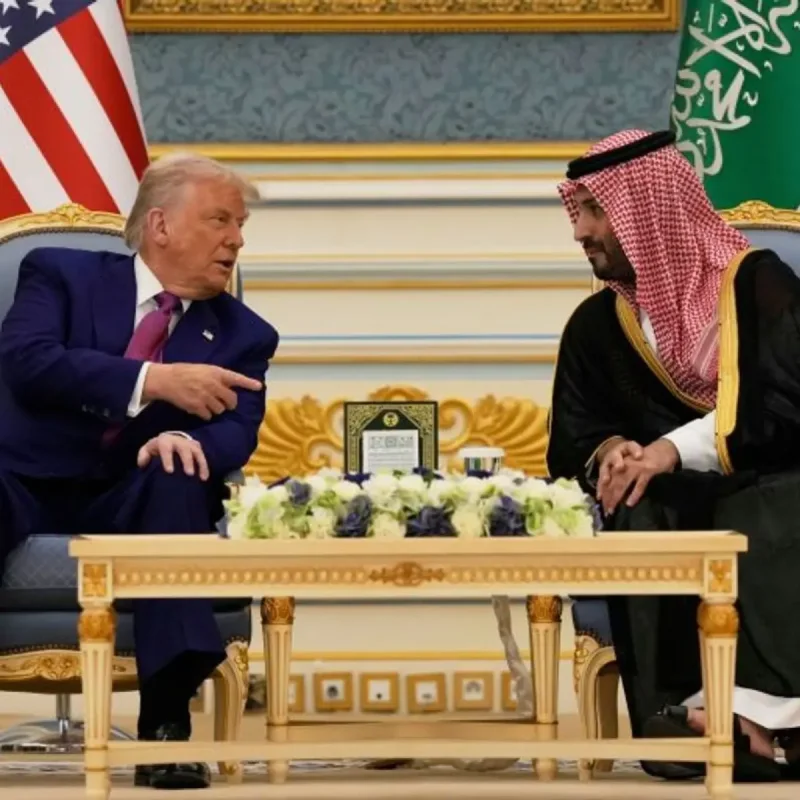
United States President Donald Trump has agreed to a 30-year nuclear cooperation deal with Saudi Arabia, transferring American nuclear technology to the kingdom.
The agreement, submitted to the US Congress for review, has sparked debate over Middle East security.
Officials in Washington maintain the project serves purely civilian power generation goals. However, critics worry that Riyadh could gain access to uranium enrichment capabilities necessary for nuclear weapons.
Regional security discussions have intensified regarding potential proliferation risks. Analysts note that the arrangement could trigger a broader arms race in the Middle East.
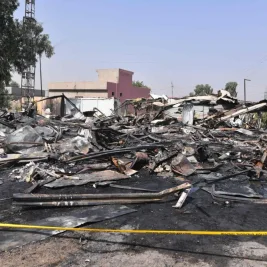
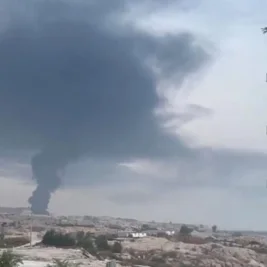
Recent military strikes near power facilities in the region have also heightened concerns about nuclear infrastructure security.
Proposed Enrichment Facility
The agreement includes a proposed two-year joint study to evaluate establishing a US-managed uranium enrichment facility inside Saudi Arabia.
This would be a unique arrangement in nuclear cooperation.
Saudi Crown Prince Mohammad bin Salman stated in a 2018 CBS interview that Riyadh would develop a nuclear weapon if Iran did the same.
This statement has fueled non-proliferation concerns.
US Secretary of State Marco Rubio insisted on Thursday that the arrangement maintains strict monitoring safeguards.
He said US contractors would handle the project, allowing Washington to monitor it and prevent proliferation.
Former Israeli Defence Minister Avigdor Liberman voiced strong opposition on social media.
He wrote that Israel must oppose the deal, warning that Saudi Arabia's civilian nuclear programme will end in nuclear weapons and lead to a mad arms race across the Middle East.
Nuclear policy experts have questioned the feasibility of the proposed oversight mechanisms.
Matthew Kroenig, a fellow with the Atlantic Council, told Al Jazeera that it is unclear what the US means by a 'black box' and whether exclusive control can be maintained long-term.
Kroenig suggested that the joint study period could serve as a negotiating tactic.
He hopes that after two years the US will conclude that the arrangement does not make sense at this time.