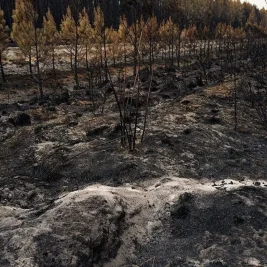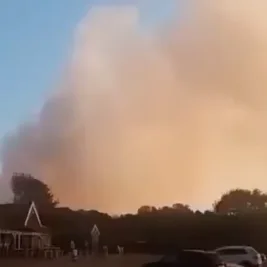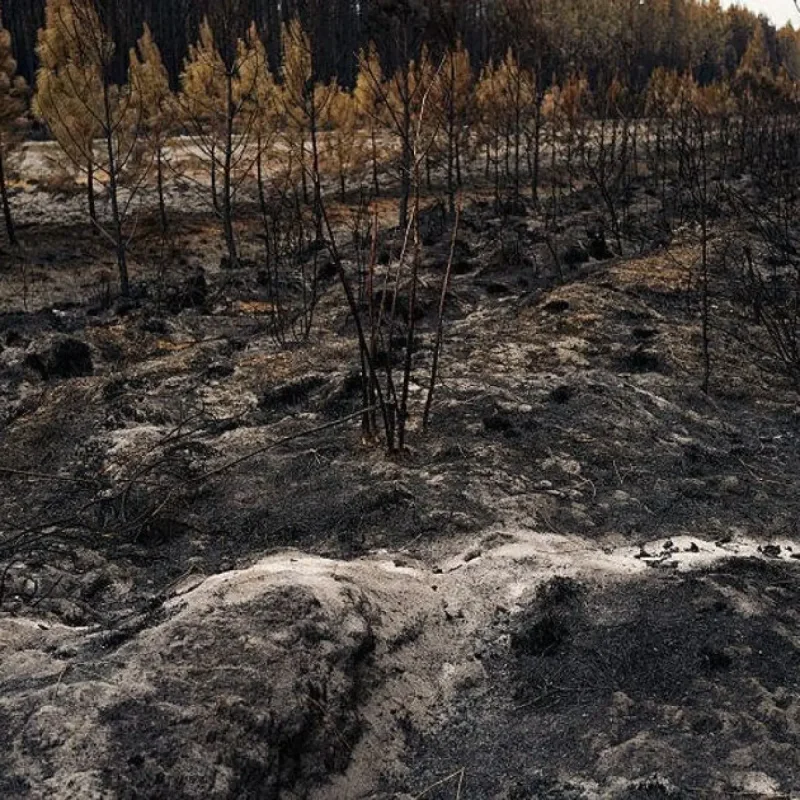
A massive wildfire has scorched more than 250 acres of Dunwich Heath on the Suffolk coast, leaving rare wildlife habitats devastated.
Experts warn that full recovery could take up to 25 years.
The blaze, which began Wednesday evening near Leiston, also affected parts of the RSPB Minsmere nature reserve. Over 100 firefighters were deployed to combat the flames.
About 50 people were evacuated from nearby homes and a holiday park, along with 200 caravans. A relief center was set up at Westleton Village Hall.
The affected area is vital for native reptiles such as adders, common lizards, and slow worms. It also supports bird species including Dartford warblers, nightjars, and stonechats.
Official records show Suffolk crews responded to 310 open-air fires between January and mid-November 2025, a year-over-year increase of 105 incidents.
Adam Rowlands, RSPB Suffolk area manager, said the blaze was the largest recorded at Minsmere in living memory.
He noted that rare butterfly species were in their egg stage during the incident.
"Most of them have finished breeding so they'll be able to escape the fire, and last night we could see nightjars flying above the fireball up on the heath," Rowlands said.
He explained that the loss of vegetation will deprive returning bird populations of essential nesting locations.
"But the problem is it will look like a scene of devastation afterwards.
All the vegetation will go and the majority of those birds will lose the places where they nest."