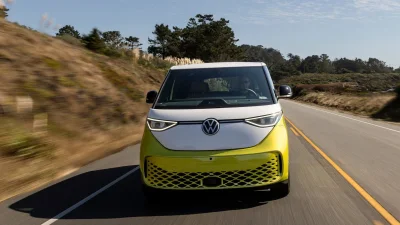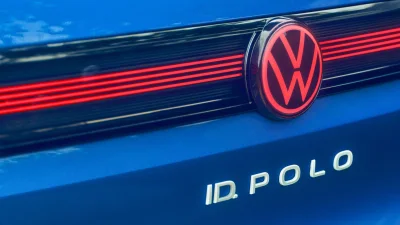
Volkswagen is moving closer to a once-taboo strategy: selling China-developed models in Europe and potentially assembling them at German plants.
A feasibility study has been commissioned to evaluate the plan, according to sources familiar with the matter who spoke to Handelsblatt.
The study covers both importing complete vehicles from China and assembling them—or their major components—in Europe.
However, company sources stress the proposal remains exploratory and could still be abandoned.
First Model Could Be a New SUV in 2027
Reports about VW potentially importing Chinese-built vehicles to Europe first emerged in May, following statements by CEO Oliver Blume.
Initially, the focus was on the ID. Era 9X, a model built in China with SAIC.
That SUV is larger than the VW Touareg but costs just €45,000 ($51,000) in China, compared to a Touareg in Europe that can exceed €80,000 ($91,000).
Handelsblatt now reports that VW is leaning toward a different, yet-to-launch vehicle for import, suggesting the plan has shifted.
The new model is expected to be close in size to the Touareg and will ride on Volkswagen's China Scalable Platform (CSP).
Crucially, this platform is VW's own, not shared with SAIC, giving the German brand full control over the technology.
Adaptations would be required to meet European market standards, including changes to driver-assistance systems, materials, and software.
Tariff Avoidance Strategy
Any vehicles VW imports from China will face EU tariffs, a key challenge.
The Cupra Tavascan, built in China and exported to Europe, recently received a tariff exemption because it mostly uses European technology.
Other VW models likely won't get the same treatment.
Current EU countervailing duties on Chinese-built EVs vary: SAIC faces 35%, BYD 17%, and Tesla just under 8%, on top of the standard import tariff.
Building these vehicles in Europe would avoid those tariffs.
Unnamed sources point to VW's plant in Zwickau as a possible assembly location, though nothing is final.
Local production would boost utilization rates at German factories, and employee representatives are reportedly open to evaluating additional China-developed models, provided they supplement—not replace—existing commitments.
Internal Opposition
Not all VW executives are on board.
According to a company insider, CFO Arno Antlitz has warned against “building vehicles from completely unrelated competitors in China and then branding these vehicles with the Volkswagen quality image.”
While CEO Oliver Blume supports the idea, the internal divide highlights the strategic tension VW faces as it navigates cost pressures and trade barriers.