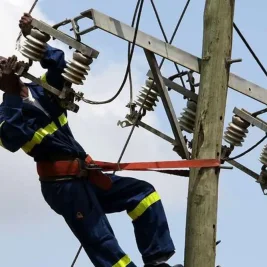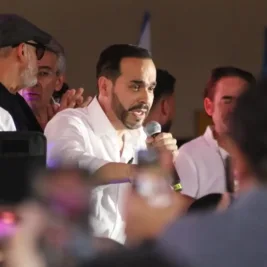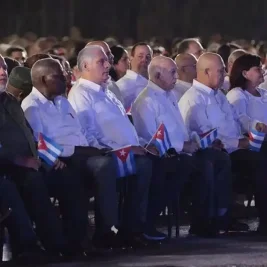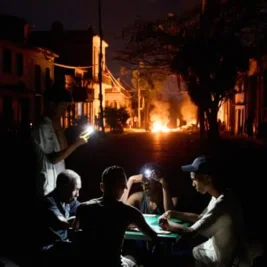
Cuba suffered a complete nationwide blackout on Monday, July 6, 2026, after its national electrical grid experienced a total collapse.
The outage left nearly 10 million people without electricity as a tightening U. S.
oil blockade depletes the island's fuel reserves.
The state-run electrical utility, Electric Union (UNE), reported the total disconnection from the national generation system and announced that the cause of the collapse is currently under investigation.
The Ministry of Energy and Mines stated on X that it has activated recovery protocols to restore power across the island.
Energy Crisis Worsens
The energy crisis has intensified since January, when U. S.
President Donald Trump imposed an oil blockade and threatened tariffs on nations supplying petroleum to Cuba.
According to AP News, the island produces only 40 percent of its required fuel, and a 730,000-barrel Russian oil shipment that arrived in late March was completely exhausted by the end of April.
The power collapse marks the third nationwide outage in Cuba within the last six months and the eighth since late 2024.
Prior to the total collapse, authorities had already implemented rolling blackouts lasting over 24 hours in parts of Havana and exceeding 70 hours in some rural provinces to conserve dwindling fuel.
The ongoing electrical and economic crisis has severely strained public transportation, forced officials to cancel tens of thousands of medical surgeries, and compromised essential services like education and medicine.
The United Nations has previously warned of a looming humanitarian emergency as food, drinking water, and medicine supplies dwindle.
While Cuba has invested in solar energy to mitigate the chronic shortages, alternative sources currently account for only 10 percent of the nation's total energy mix.
The aging power infrastructure relies heavily on deteriorating Soviet-era thermoelectric plants that lack the necessary fuel to operate.
Residents Express Distress
Amid the blackouts, Havana residents expressed growing distress over their daily survival and the inability to access basic services.
Self-employed social media community manager Meyboll Font described the severe impact of the outages on local neighborhoods.
"Living like this is agony," said Font, a 51-year-old resident.
Font noted that her neighborhood had been receiving only three to four hours of electricity daily before the total grid failure occurred.
Other residents in the capital expressed immediate concern over food preservation and basic cooking capabilities.
"I just told my dad that we have to buy charcoal because otherwise we won’t eat and we’ll starve," said 36-year-old Lina May.
The lack of electricity has also halted municipal water pumps and domestic gas distribution.
"We’re without power again," said Richard Valdés, 40. "Now we have no water, no gas, nothing until they restore it."
Many citizens expressed resignation regarding the systemic infrastructure issues.
"Oil hasn’t come in here for a while, and we have no way to solve the problem," said Mario Pedroso, a 33-year-old Havana resident.
"We have to resist, as we Cubans say. That’s all."
Geopolitical tensions remain high as the U. S.
maintains that its economic restrictions aim to pressure the Cuban government into opening its political system.
In response to the growing humanitarian crisis, Cuban officials have strongly condemned the embargo.
"What is happening today against our people is a genocide," said Oscar Pérez-Oliva Fraga, Minister of Foreign Trade and Investment.
Pérez-Oliva told CNN that recent economic reforms passed by the National Assembly were intended to open the economy but were not a reaction to external pressure.
Conversely, a U. S.
State Department spokesperson dismissed the legislative measures as "modest, long overdue and ultimately superficial smoke signals."
The blackout follows recent diplomatic discussions between the two nations, which included meetings between CIA Director John Ratcliffe and Cuban intelligence chiefs in Havana, alongside talks between the U.
S. Southern Command and Cuban military officials near Guantanamo Bay.
The U. S.
has accused Cuba of hosting Russian and Chinese intelligence outposts, a claim that Cuban authorities deny.