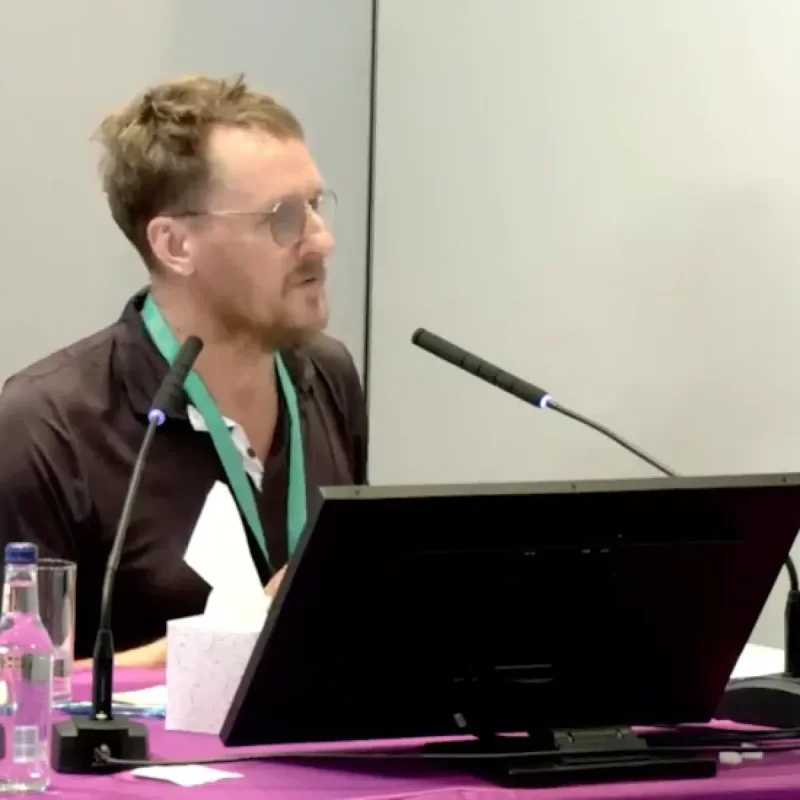
A former NHS mental health nurse testified at the Lampard Inquiry on July 9, 2026, that staff apathy on inpatient wards in Essex was severe.
Stuart Ayris, a registered mental health nurse with 27 years of experience, told the public inquiry in London that the local health infrastructure prioritized paperwork over direct patient care.
"It just felt the level of apathy was astonishing, to be honest," said Ayris, a former ward manager.
Ayris described how employees frequently locked themselves in offices and resisted spending time with patients.
"Some people either didn't want to do that or they'd had enough of doing that, and by shutting themselves in the office with their colleagues, it felt safer for them," he said.
The former manager expressed shame over overlooked details of patients' lives and recalled a doctor at the Linden Centre saying, "the ideal patient is one medicated to just above a coma."
Ayris alleged that organizational self-protection often overshadowed compassionate care, citing cosmetic ward touch-ups before Care Quality Commission inspections.
He also claimed that raising safety concerns led to disciplinary action and forced transfers.
"People that spoke up like myself didn't have great careers," Ayris said.
The Lampard Inquiry is examining the deaths of more than 2,000 psychiatric patients admitted to Essex facilities between 2000 and 2023.
In response, Trevor Smith, chief executive of the Essex Partnership University NHS Foundation Trust (EPUT), expressed sorrow and outlined reforms.
"As the Inquiry progresses, there will be many accounts of people who were much loved and missed over the past 24 years, and I want to say how sorry I am for their loss," Smith said.
He noted that the trust has added over 300 specialist personnel to improve therapeutic services.
"Care and staffing on our wards has been transformed... to ensure patients receive personally tailored therapeutic care to meet their individual needs," Smith added.
The inquiry's financial impact on EPUT is significant, with administrative costs expected to reach around £30 million.
"Our position is we need to spend what we need to spend to serve the inquiry," said Paul Scott, former EPUT chief executive.
Scott, who recently moved to another health trust, addressed concerns about his departure timing.
"I'm here…to assure people that I'm not running from anything," he said.
Inquiry chair Baroness Lampard noted that systemic failings in mental health inpatient care extend beyond Essex, with similar investigations elsewhere in England.
Legal counsel highlighted ongoing difficulties in tracking exact historic patient death figures over the 24-year period.
"We are deeply troubled that we still cannot say with any certainty how many people died… and we may never have a completely accurate figure," said Rebecca Harris KC, counsel to the inquiry.