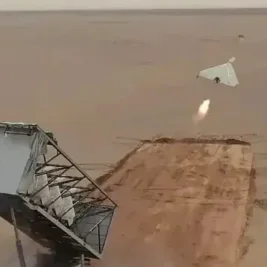
Iran launched drone and missile strikes against U. S.
military installations in Kuwait, Qatar, and Bahrain on July 9, 2026, escalating regional tensions as the country prepared to bury its late Supreme Leader Ayatollah Ali Khamenei.
The attacks followed heavy U. S.
airstrikes that killed 14 people and injured 78 others across five Iranian provinces between July 8 and July 9, according to Iranian state media.
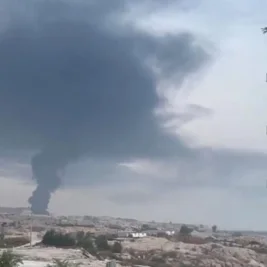
Multiple explosions were reported Thursday morning in Bushehr province, home to a Russian-built nuclear power plant, the semi-official Mehr news agency said.
Iranian Military Operations
An official statement from the Iranian army confirmed that its forces used drones to target U. S.
Patriot systems in Kuwait, an early warning satellite antenna site in Qatar, and a U. S.
military fuel storage facility in Bahrain.
Kuwaiti officials reported that their military engaged a cruise missile, three ballistic missiles, and 10 drones, with falling shrapnel injuring one person.
Iran's top negotiator, Mohammad Baqer Qalibaf, issued a warning on social media platform X.
"The U. S.
has yet to learn that bullying and breaking its commitments no longer come without a cost.
Let me be clear: If you strike, you will be struck back," Qalibaf wrote.
Qalibaf asserted that control over the vital Strait of Hormuz shipping lane would remain under local jurisdiction.
"The Strait of Hormuz will be reopened only under Iranian arrangements, not through U. S.
threats," he added.
U. S.
Central Command stated on Wednesday that American forces executed retaliatory strikes against approximately 90 Iranian military targets along the coastline, including air defense systems, drone storage sites, and naval infrastructure.
"The United States is holding Iran accountable for recent unjustified aggression against commercial shipping and civilian crews freely navigating a vital international waterway," U.
S. Central Command said in a statement.
U. S.
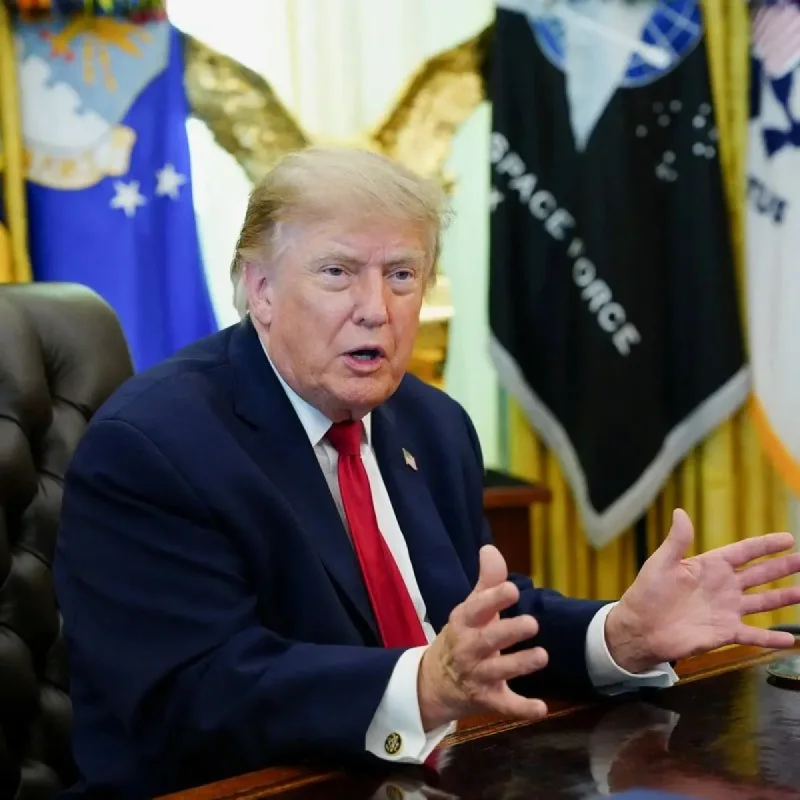
President Donald Trump, attending a NATO summit in Turkey, declared that the interim ceasefire with Iran had collapsed following recent attacks on three commercial tankers in the Strait of Hormuz.
"This is in retribution for yesterday's bombing of ships by Iran. If it happens again, it will get much worse!"
Trump wrote on his Truth Social platform.
Trump later told reporters in Ankara that he believed the situation would resolve quickly without expanding into a broader war.
"Anything that happens is going to be over very quickly ... and will only make it safer, including for oil," Trump said.
When questioned about the status of the diplomatic agreement with Tehran, Trump expressed skepticism.
"It's a very interesting question. To me, I think it's over.
I don't want to deal with them," Trump said.
He also questioned the long-term viability of reaching any new accords with the Iranian government.
"If we make a deal with Iran I'm not sure that will stick," Trump later said.
Qatar's Prime Minister Sheikh Mohammed bin Abdulrahman al-Thani called Iranian Foreign Minister Abbas Araqchi to urge a return to diplomacy and condemn the attacks on maritime shipping.
Global oil prices fluctuated as investors monitored regional stability and the status of commercial transit through the Strait of Hormuz.