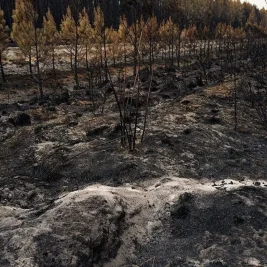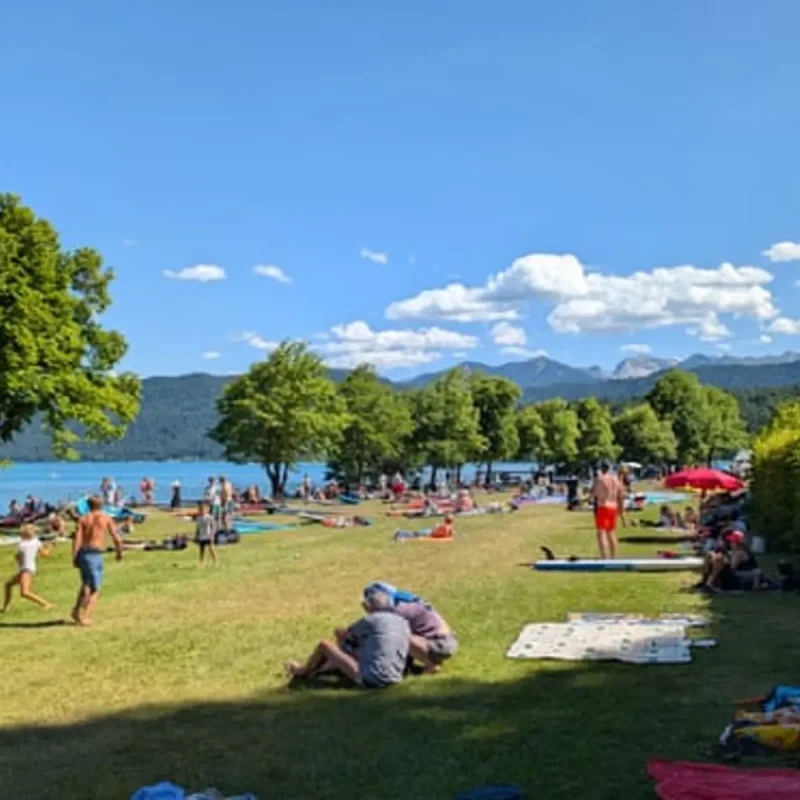
An intense heatwave across Western Europe has caused hundreds of excess deaths, sparked devastating wildfires, and forced early closures of landmarks like the Eiffel Tower last month and into July 2026.
Officials confirmed that soaring temperatures exceeding 41 degrees Celsius have led to the worst drowning toll in Germany in over two decades.
Data from public health institutes across the continent show over 1,300 deaths during the early summer heatwave, with Germany registering at least 5,120 heat-related fatalities this year.
France also documented more than 2,000 excess deaths during June alone, prompting widespread criticism over government preparedness.
The German lifeguarding federation issued an official statement noting that 99 people drowned in June, a demographic heavily dominated by young men under the age of 30.
"We had not registered this many drownings since the heatwave of June 2003, when 107 people died," said the Germany lifeguarding federation.
In neighboring France, high temperatures triggered early operational shutdowns for major cultural sites and forced adjustments to international sporting events.
The national weather service placed 24 departments under maximum alert as temperatures continued to climb over the weekend.
"Due to the high temperatures forecast," stated the operator of the Eiffel Tower.
The extreme weather also impacted the ongoing Tour de France cycling race, where organizers shortened Sunday's stage by 30 kilometers to shield competitors from the intense heat.
"We are now one week of racing; it was always above 35C degrees," said Tim Merlier, Belgian cyclist.
Cyclists faced severe physical challenges as temperatures consistently remained above 35 degrees Celsius throughout the initial week of competition.
"It’s definitely a fight to have water, ice and drinks between the [support] cars," said Tim Merlier.
Amid dry conditions, numerous French municipalities cancelled traditional holiday fireworks to reduce wildfire risks. The presidency urged citizens to maintain maximum awareness regarding potential fire hazards.
"A single second of inattention can put families at risk, endanger those who protect us and destroy our countryside," wrote Emmanuel Macron, French President.
Meanwhile, in southern Spain, emergency services managed to contain a deadly blaze in Almería province that killed at least 12 individuals and forced 1,500 residents to evacuate.
"The fire has been contained within its perimeter and brought under control, with no danger of flames spreading," said Juan Manuel Moreno, Head of the regional government of Andalucía.
The regional leader emphasized the unprecedented speed of the wildfire while confirming that evacuees were beginning to return to their homes in structured stages.
"This is, so to speak, the beginning of the end of a terrifying wildfire that has set records for how quickly it spread," said Juan Manuel Moreno.
However, families of the victims expressed severe dissatisfaction with the official response and disputed claims that residents ignored evacuation orders.
"The people who died did not fail to follow any orders because no orders were given. No information was provided," said Thomas-Wolf Verdonckt, Belgian virologist.
The victim's son stated that communication from emergency services was non-existent as the flames approached the mountain village.
"They only started to run when the flames were almost upon them. That was their absolute last resort," said Thomas-Wolf Verdonckt.