Beneath the drone strikes and talk of ceasefires lies a battle over history that is testing Kyiv's chances for an end to the conflict.
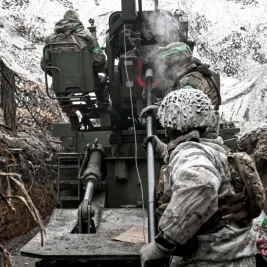
After more than four years of war, Kyiv experiences a cyclical political and diplomatic news agenda: suggestions of a peace deal, followed by the reality that the Kremlin has no interest in abandoning its maximalist goals.
Russia has again stepped up air attacks on the Ukrainian capital.
Frequent mass drone and missile attacks keep residents awake, and some strikes reach the city center, whereas Ukrainian air defenses previously repelled most.
One attack killed 27 people during a recent visit.
All of Donald Trump's attempts to end the war have failed, and efforts have been muted as Washington turned to the Middle East.
But cautious optimism emerges that late autumn might provide a window for a deal.
Ukraine is keen to avoid another winter at war, and Vladimir Putin faces pressure from Kyiv's long-range drone strikes on Russia's oil infrastructure.
Others are skeptical, pointing to Putin's aggressive rhetoric.
Domestically, Volodymyr Zelenskyy is about to reshuffle the government, with rumors he could seek a renewed mandate in a presidential election following a ceasefire.
Questions abound: how would voting be organized for frontline communities, Ukrainians under occupation, and refugees abroad?
Falling Out with Poland
A new scandal has erupted: the increasingly acrimonious falling out between Ukraine and Poland.
Warsaw was once one of Kyiv's most reliable allies, but a dispute over history has brought the relationship to crisis point.
The dispute centers on Polish fury that Ukrainian authorities named a military unit after the "Heroes of the UPA" – a wartime nationalist group, one branch of which was responsible for massacres of Poles and Jews during World War II.
Many people take issue with veneration of the UPA. Conversations in both countries reveal deep animosity among ordinary people.
Ukrainians rage that Poland is playing into Russian hands by fussing over history during war; Poles say that after four years of support, the least they could expect is not to honor those who massacred Poles.
Bartosz Cichocki, Poland's former ambassador to Ukraine, said Poland may now get tougher on Ukraine's path to joining the European Union.
"No more romance, no more naivety," he said.
With elections due in Poland and potentially in Ukraine, expect things to get worse between Warsaw and Kyiv before they get better.