Growing economic pressure and persistent Ukrainian drone attacks inside Russia have caused public satisfaction with government policies to drop to 21 percent in June 2026, down from 45 percent six months earlier, according to survey data from state-run pollster VTsIOM.
The public shift comes as Russian President Vladimir Putin contends with widespread fuel disruptions, mobile internet blackouts, and damaged energy infrastructure that have directly affected daily life across multiple regions.
Approval Ratings Decline
Data from the independent Levada Center shows President Putin's personal approval rating fell to 74 percent in June 2026, marking a 13-point drop from August 2025 and its lowest point since the start of the full-scale conflict.
A separate survey by state pollster VTsIOM recorded approval at 66.9 percent in late June, down from 70.4 percent the previous week.
Regional polling conducted by the Institute for Conflict Studies and Analysis of Russia indicates even sharper declines in specific areas, recording trust levels at 39 percent in Krasnodar Krai and 37 percent in Rostov Oblast, with support dropping below 25 percent among respondents under age 30.
Economic indicators have also trended downward as the Bank of Russia lowered its 2026 growth projection to between zero and 1 percent while raising inflation forecasts to between 6 and 7 percent.
Gasoline prices have surged 16 percent since January 2026, prompting a central bank rate cut to 14 percent on July 24 to cushion weakening activity.
Sociological data from the Levada Center highlights growing public sentiment toward peace, with 64 percent favoring negotiations in June, up four percentage points in one month.
That proportion reaches 78 percent among citizens under 25 years old and 70 percent among lower-income households.
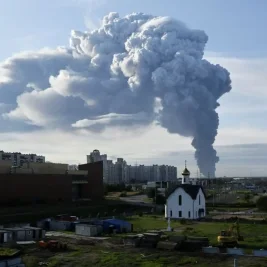
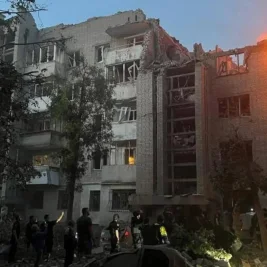
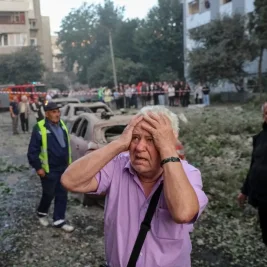
Infrastructure damages, including strikes on oil refineries and commercial distribution centers, have led to recurring fuel queues and interrupted digital payment systems across major cities as the Russian government expands civil-defense and military reserve procedures.
One Moscow resident described the visible impact of long-range strikes to the press.
"These black plumes of smoke have become part of everyday life," said a Moscow resident, describing the visual reality of recent drone strikes.
Analyzing the broader psychological and financial effects on the population, analysts noted the wide reach of recent logistics disruptions.
"The attacks on Wildberries warehouses have, to one degree or another, affected nearly the entire population: some physically, others financially, and still others psychologically," said Elena Panfilova, a Russian political scientist.
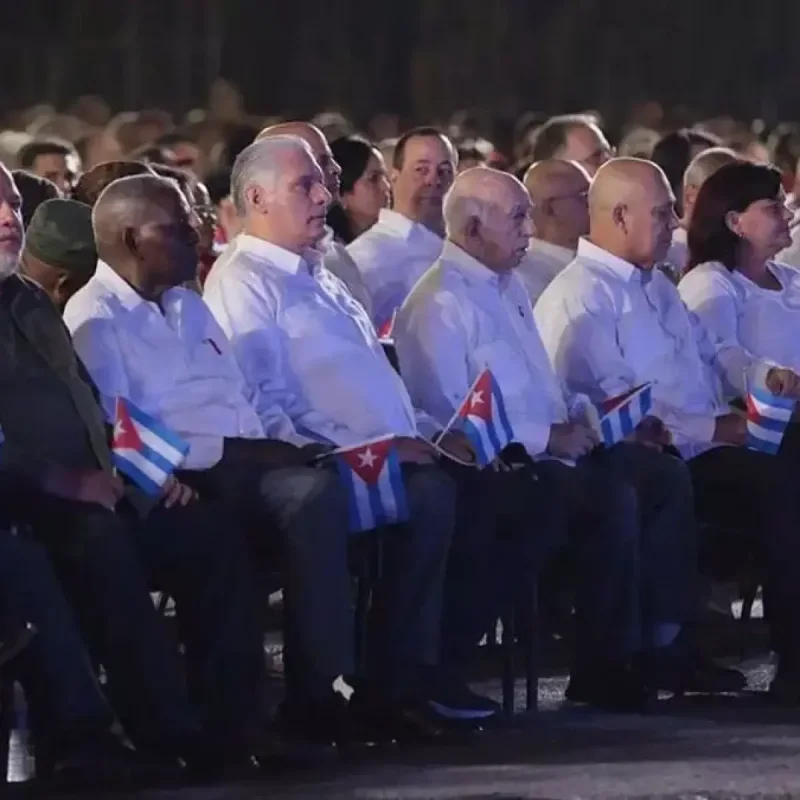
Assessing the political dynamics and potential leadership outcomes, research directors noted that shifting popularity alone may not alter official conflict strategies.
"Putin's popularity will continue to fall unless he ends the war – something he is clearly not prepared to do, as it would be seen as a sign of weakness," said Dr. Oleksandr Shulga, Director of the Institute for Conflict Studies and Analysis of Russia.
Military commentators and political figures challenging official policy have faced legal actions, with prominent bloggers Ilya Remeslo and veteran Aleksandr Lunin both detained by authorities in mid-2026 after publicly raising concerns regarding military leadership.