English city region mayors are set to gain the ability to secure long-term loans backed by projected local tax revenues, according to officials and experts.
The move is part of fiscal devolution plans aimed at ending reliance on short-term central government grants.
New Revenue Streams
Under the new policy, regional authorities will begin retaining business rates in April 2027.
A share of local income tax receipts will follow in April 2028.
Experts noted that this guaranteed revenue stream will allow combined authorities to issue 30-year loans for major infrastructure projects without requiring Treasury approval.
South Yorkshire Mayor Oliver Coppard emphasized the strategic shift the funding model offers to regional leaders.
"It's really important because it gets us out of the death grip of the Treasury and gives us that long-term certainty around income," said Coppard.
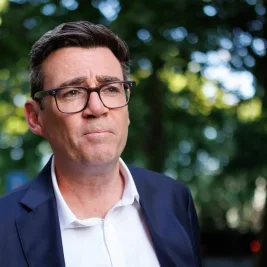
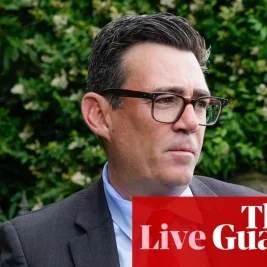
Prime Minister Andy Burnham stated that the initiative would ensure local communities retain more of the wealth they generate.
"Under our plans, more of the taxes raised in a community will stay in that community," Burnham said.
"Soon, every local leader will have the power and resources to improve public transport, build homes and create jobs."
Burnham added that his personal experiences shaped the policy direction.
"I know what it's like to be ignored by politicians in Westminster. I'm not going to make that same mistake now I'm PM," he said.
The policy instructs ministers to justify keeping powers in Whitehall under a "local first" principle.
Downing Street confirmed that the 520,000-strong civil service will become smaller as decisions shift outward.
Northern Powerhouse Partnership Chief Executive Henri Murison noted that borrowing against future revenue could unlock large-scale infrastructure projects, such as an underground station at Manchester Piccadilly.
"It completely transforms what combined authorities would be able to do," Murison said.
Tees Valley Mayor Ben Houchen floated the idea of passing on financial benefits directly to residents.
He suggested he would use the income tax to hand out tax rebates to local people, according to reports.
Although thinkers at IPPR North described the policy as the most significant shift in funding in a generation, experts warned it could risk a "two-tier England" for areas without mayoral authorities.
The government is encouraging non-mayoral regions across Dorset, Somerset, Oxfordshire, Gloucestershire, Wiltshire, and Kent to form combined authorities to access the powers.
Details on tax proportions remain set for the autumn budget.